Building a Greener Future: Energy-Efficient Home Construction Tips for Eco-Conscious Families
In today’s world, sustainability and environmental consciousness are at the forefront of many people’s minds. As the effects of climate change become more apparent, it is becoming increasingly important to take steps to reduce our carbon footprint and live more sustainably. One of the best ways to do this is by building energy-efficient homes that not only reduce our impact on the environment but also save us money in the long run.
Why Energy-Efficient Home Construction is Important
Energy-efficient home construction is important for a number of reasons. First and foremost, it helps reduce our impact on the environment by decreasing the amount of energy we use and the emissions we produce. This can help slow the effects of climate change and protect our planet for future generations.
Additionally, energy-efficient homes can save homeowners money on their energy bills. By using less energy to heat, cool, and power our homes, we can reduce our monthly expenses and save money over the long term. In some cases, energy-efficient homes can even increase the resale value of a property, making them a wise investment for eco-conscious families.
Key Tips for Building an Energy-Efficient Home
If you are considering building an energy-efficient home, there are a number of key tips to keep in mind. These tips can help you create a more sustainable living space that is both environmentally friendly and cost-effective. Here are some key tips for building an energy-efficient home:
1. Design with Energy Efficiency in Mind
One of the most important factors in building an energy-efficient home is the design of the building itself. When designing your home, consider factors such as orientation, insulation, and window placement to maximize natural light and minimize heat loss. Opt for energy-efficient windows and doors, as well as high-quality insulation, to keep your home comfortable year-round.
2. Choose Energy-Efficient Appliances and Systems
Another key factor in building an energy-efficient home is the choice of appliances and systems. Opt for energy-efficient appliances, such as ENERGY STAR-rated refrigerators, dishwashers, and washing machines, to reduce your energy consumption. Additionally, consider installing a high-efficiency HVAC system and water heater to further reduce your energy usage.
3. Use Sustainable Materials
When building an energy-efficient home, it is important to consider the materials you use. Choose sustainable materials, such as bamboo flooring, reclaimed wood, and recycled glass countertops, to reduce your environmental impact. Additionally, look for materials that are locally sourced to minimize transportation emissions.
4. Incorporate Renewable Energy Sources
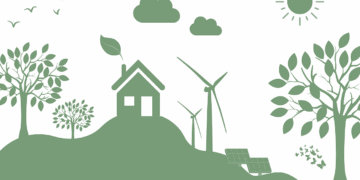
To further reduce your energy consumption, consider incorporating renewable energy sources into your home design. Solar panels, wind turbines, and geothermal heating systems can help offset your energy usage and reduce your reliance on fossil fuels. While these systems may require an upfront investment, they can save you money in the long run and reduce your environmental impact.
Common Questions About Energy-Efficient Home Construction
As you consider building an energy-efficient home, you may have some common questions about the process. Here are answers to some of the most frequently asked questions about energy-efficient home construction:
1. How much does it cost to build an energy-efficient home?
The cost of building an energy-efficient home can vary depending on a number of factors, including the size of the home, the materials used, and the energy-efficient features included. While building an energy-efficient home may require a higher initial investment than a traditional home, the long-term savings on energy bills can offset these costs over time.
2. Will an energy-efficient home increase my property value?
In many cases, energy-efficient homes can increase the resale value of a property. As more homeowners become concerned about sustainability and energy efficiency, homes that are built with these features in mind can be more attractive to buyers. Additionally, energy-efficient homes may qualify for tax incentives and rebates that can further increase their value.
3. How can I find a builder experienced in energy-efficient home construction?
When looking for a builder to construct your energy-efficient home, it is important to find someone with experience in sustainable building practices. Look for builders who are certified in green building techniques, such as LEED or Energy Star certification. Additionally, ask for references from past clients and visit some of their completed projects to ensure they have the expertise to build your energy-efficient home.
Conclusion
Building an energy-efficient home is a great way to reduce your impact on the environment, save money on energy bills, and create a more sustainable living space for you and your family. By following these key tips for energy-efficient home construction and addressing common questions, you can create a greener future for yourself and future generations. Consider incorporating sustainable materials, energy-efficient appliances, and renewable energy sources into your home design to maximize your environmental impact and create a more sustainable living space. With the right planning and design, you can build an energy-efficient home that is both environmentally friendly and cost-effective.