Breezy Savings: The Benefits of Installing Wind Turbines on Your Home
When it comes to renewable energy sources, wind power is a popular choice for homeowners looking to reduce their carbon footprint and save money on their energy bills. Wind turbines, which harness the power of the wind to generate electricity, can be a smart investment for those looking to go green and cut costs. In this article, we will explore the benefits of installing wind turbines on your home and how they can help you save money in the long run.
What Are Wind Turbines?
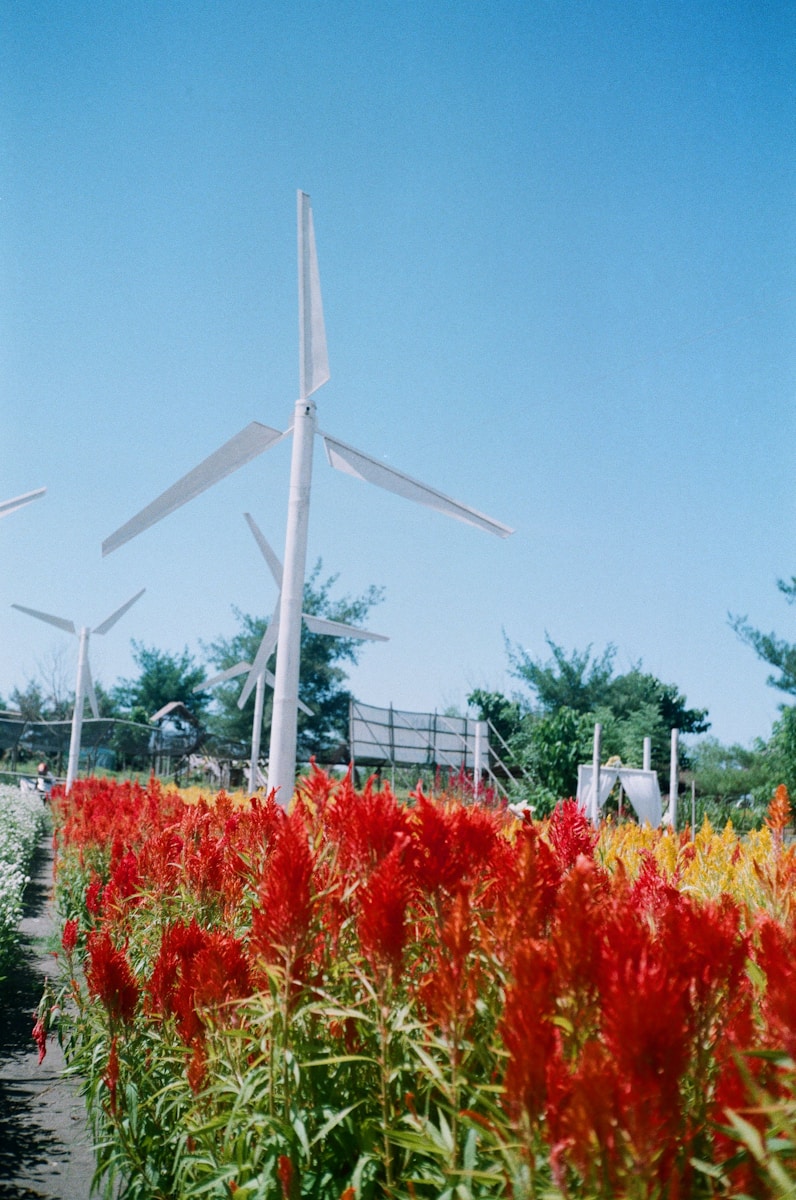
Wind turbines are devices that convert the kinetic energy of the wind into mechanical power, which is then used to generate electricity. They typically consist of a large rotor with blades that spin when the wind blows, connected to a generator that produces electricity. Wind turbines can be installed on rooftops or in open areas with consistent wind flow to maximize their efficiency.
Benefits of Installing Wind Turbines:
1. Renewable Energy Source
One of the primary benefits of wind turbines is that they harness the power of a renewable energy source – the wind. Unlike fossil fuels such as coal and oil, which are finite resources that contribute to air pollution and climate change, wind power is clean, abundant, and sustainable. By installing wind turbines on your home, you can reduce your reliance on non-renewable energy sources and help protect the environment.
2. Cost Savings
Another significant benefit of wind turbines is the potential for cost savings on your energy bills. While the upfront cost of purchasing and installing a wind turbine can be significant, the long-term savings can outweigh the initial investment. Wind power is free, so once your turbine is up and running, you can generate electricity at a lower cost than purchasing it from the grid. In some cases, homeowners with wind turbines may even be able to sell excess electricity back to the grid, further reducing their energy costs.
3. Energy Independence
By generating your own electricity with wind turbines, you can reduce your dependence on utility companies and the fluctuating costs of electricity. This can provide a sense of energy independence and security, especially during power outages or emergencies. Wind power is also more predictable and reliable than solar power, as wind turbines can generate electricity day or night, regardless of weather conditions.
4. Environmental Benefits
Using wind power to generate electricity produces zero greenhouse gas emissions, making it a cleaner and more environmentally friendly energy source than fossil fuels. By installing wind turbines on your home, you can help reduce air pollution, combat climate change, and contribute to a more sustainable future for generations to come. Additionally, wind power does not require water for cooling, unlike traditional power plants, which helps conserve this precious resource.
Common Questions About Wind Turbines:
1. Are Wind Turbines Noisy?
While some older wind turbines may produce noise when they spin, modern wind turbine technology has significantly reduced noise levels. Most residential wind turbines are designed to be quiet and unobtrusive, making them suitable for urban and suburban areas. Additionally, the sound of the wind itself is often louder than the noise generated by a wind turbine, so any noise is typically not a major concern for homeowners.
2. How Much Space Do I Need for a Wind Turbine?
The amount of space required for a wind turbine depends on the size and type of turbine you choose. Small wind turbines designed for residential use typically require at least half an acre of land with clear, unobstructed wind flow. Rooftop wind turbines are also available for homes with limited outdoor space, but they may be less efficient than ground-mounted turbines due to lower wind speeds and increased turbulence.
3. What Is the Payback Period for a Wind Turbine?
The payback period for a wind turbine can vary depending on factors such as the cost of electricity in your area, the size and efficiency of the turbine, and the amount of wind available at your location. On average, homeowners can expect a payback period of 5-15 years for a residential wind turbine, after which they can enjoy significant cost savings on their energy bills. Some government incentives and rebates may also help shorten the payback period and make wind power more affordable.
Conclusion:
Overall, installing wind turbines on your home can provide a range of benefits, including cost savings, energy independence, and environmental sustainability. By harnessing the power of the wind to generate electricity, homeowners can reduce their carbon footprint, lower their energy bills, and contribute to a cleaner, greener future. While the upfront cost of wind turbines may be a barrier for some homeowners, the long-term savings and benefits make them a worthwhile investment for those looking to go green and save money in the process.
With advancements in wind turbine technology and increased awareness of the benefits of renewable energy, more homeowners are turning to wind power as a smart and sustainable energy solution for their homes. If you are considering installing a wind turbine on your property, be sure to research local regulations and incentives, consult with a professional installer, and weigh the costs and benefits to determine if wind power is the right choice for you.
Remember, every small step towards renewable energy makes a difference in combating climate change and protecting the planet for future generations. By investing in wind turbines for your home, you can make a positive impact on the environment while enjoying the cost savings and energy independence that wind power provides.