Innovative Off-Grid Housing Solutions for Sustainable Living
With the growing concern for environmental sustainability and the increasing demand for affordable housing, off-grid housing solutions have become a popular choice for many individuals seeking to live a more sustainable lifestyle. Breaking Ground is a groundbreaking initiative that aims to provide innovative off-grid housing solutions for sustainable living. In this article, we will explore the concept of off-grid housing, the benefits it offers, and how Breaking Ground is revolutionizing the way we think about sustainable living.
What is Off-Grid Housing?
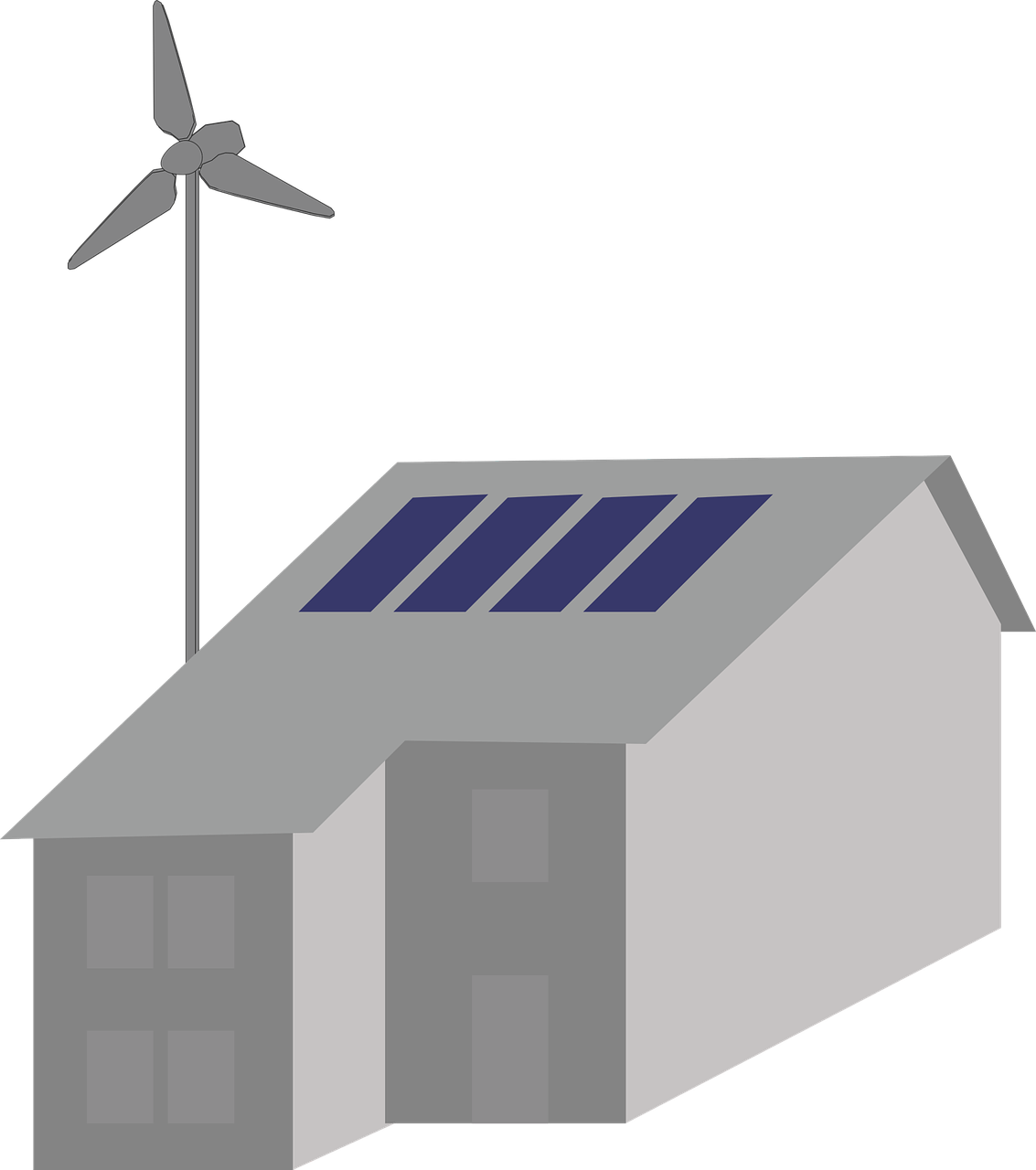
Off-grid housing refers to homes that are not connected to the traditional utility grid for electricity, water, or sewage. Instead, these homes rely on renewable energy sources such as solar panels, wind turbines, or geothermal systems to generate electricity. Water is often sourced from rainwater harvesting or wells, and waste is treated on-site through composting toilets or septic systems.
Off-grid housing allows individuals to reduce their carbon footprint and live a more self-sufficient lifestyle. By generating their own energy and managing their own water and waste, off-grid homeowners can reduce their reliance on fossil fuels and minimize their impact on the environment.
The Benefits of Off-Grid Housing
There are many benefits to living in an off-grid home. One of the main advantages is the ability to reduce or even eliminate utility bills. By generating their own electricity and managing their own water and waste, off-grid homeowners can save money on monthly expenses and enjoy greater financial freedom.
Off-grid housing also offers greater independence and self-sufficiency. In the event of a power outage or natural disaster, off-grid homeowners can continue to operate their homes without interruption. This level of resilience and flexibility is invaluable in today’s uncertain world.
Additionally, off-grid housing can have a positive impact on the environment. By reducing the demand for fossil fuels and minimizing water usage, off-grid homeowners can help preserve natural resources and reduce their carbon footprint. This can lead to a healthier planet for future generations to enjoy.
Breaking Ground: Innovative Off-Grid Housing Solutions
Breaking Ground is a pioneering initiative that is revolutionizing the way we think about sustainable living. By combining cutting-edge technology with innovative design, Breaking Ground is creating off-grid housing solutions that are both environmentally friendly and aesthetically pleasing.
One of the key features of Breaking Ground’s off-grid housing solutions is the use of renewable energy sources. Solar panels, wind turbines, and geothermal systems are integrated into the design of each home to provide clean, reliable energy without relying on the traditional utility grid. This allows homeowners to reduce their carbon footprint and enjoy greater energy independence.
Breaking Ground also incorporates water-saving technologies into its off-grid housing solutions. Rainwater harvesting systems and greywater recycling systems are used to capture and reuse water, reducing the demand for fresh water and minimizing waste. This not only helps conserve water resources but also reduces utility costs for homeowners.
In addition to energy and water efficiency, Breaking Ground focuses on sustainable materials and construction practices. By using locally sourced materials and eco-friendly building techniques, Breaking Ground is able to create homes that are both durable and environmentally responsible. This commitment to sustainability extends to every aspect of the design and construction process, ensuring that each home is a model of green building practices.
Common Questions About Off-Grid Housing
As off-grid housing becomes more popular, many individuals have questions about how it works and whether it is a viable option for them. Here are some common questions and answers about off-grid housing:
1. Is off-grid housing expensive to build?
While off-grid housing can have a higher upfront cost than traditional homes, the long-term savings on utility bills and the environmental benefits can make it a cost-effective choice in the long run. Additionally, there are many financing options and incentives available for off-grid homeowners to help offset the initial investment.
2. Is off-grid housing reliable?
Off-grid housing can be just as reliable as traditional homes, if not more so. By using renewable energy sources and water-saving technologies, off-grid homeowners can enjoy a high level of independence and resilience in the event of power outages or natural disasters.
3. Is off-grid housing legal?
Off-grid housing is legal in many areas, but regulations can vary depending on the location. It is important for homeowners to check with local authorities and obtain any necessary permits before building an off-grid home.
4. Can off-grid housing be connected to the grid?
While off-grid housing is designed to operate independently of the traditional utility grid, some homeowners choose to have a backup connection for emergencies or periods of high energy demand. This hybrid approach allows for greater flexibility and peace of mind.
Conclusion
Breaking Ground is leading the way in innovative off-grid housing solutions for sustainable living. By combining renewable energy sources, water-saving technologies, and sustainable materials, Breaking Ground is creating homes that are both environmentally friendly and aesthetically pleasing. Off-grid housing offers many benefits, including reduced utility bills, greater independence, and a positive impact on the environment. With the growing interest in sustainable living, off-grid housing is becoming an attractive option for individuals seeking to live a more self-sufficient lifestyle.