Breaking Free: Innovative Off-Grid Living Solutions for a Sustainable Future
In today’s fast-paced world, more and more people are looking for ways to break free from the constraints of traditional living and embrace a more sustainable lifestyle. Off-grid living is becoming increasingly popular as individuals seek to reduce their environmental impact and live more self-sufficiently. In this article, we will explore some innovative off-grid living solutions that can help you break free from the grid and create a more sustainable future for yourself and the planet.
What is Off-Grid Living?
Off-grid living refers to living in a self-sufficient manner without reliance on public utilities such as electricity, water, or sewage systems. Off-grid living can involve generating your own power, collecting and purifying your own water, and managing your own waste. This lifestyle allows individuals to reduce their environmental impact and live more independently.
Benefits of Off-Grid Living
There are many benefits to living off-grid, including:
- Reduced environmental impact
- Increased self-sufficiency
- Lower utility bills
- Greater independence
- Closer connection to nature
Innovative Off-Grid Living Solutions
There are a variety of innovative solutions available to help individuals live off-grid. Some of these solutions include:
Solar Power
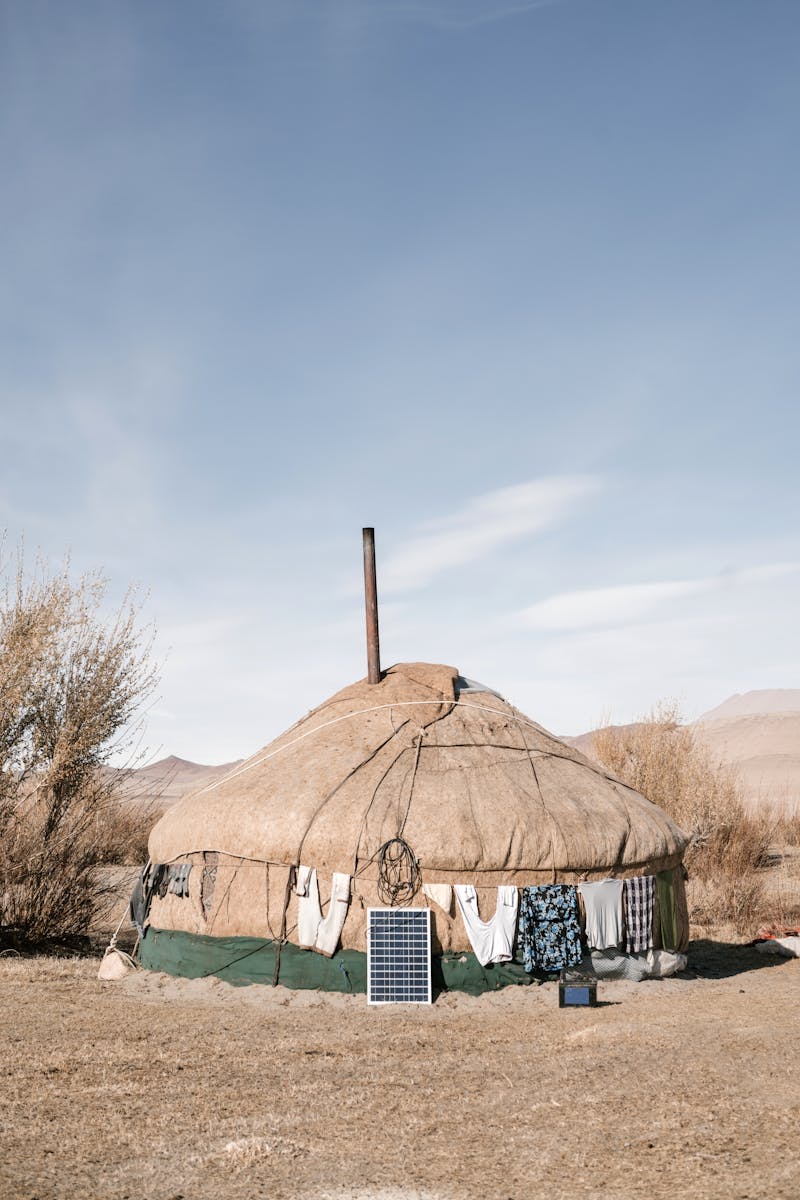
Solar power is a popular off-grid energy solution that allows individuals to generate their own electricity using solar panels. Solar power is clean, renewable, and can be used to power a variety of appliances and electronics. With advancements in solar technology, it is now easier and more affordable than ever to set up a solar power system for your off-grid home.
Rainwater Harvesting
Rainwater harvesting is a sustainable way to collect and store rainwater for use in your off-grid home. By installing a rainwater harvesting system, you can reduce your reliance on municipal water sources and lower your water bills. Rainwater can be used for irrigation, flushing toilets, and even drinking with the proper filtration system in place.
Composting Toilets
Composting toilets are a water-saving alternative to traditional flushing toilets that can be used in off-grid homes. Composting toilets convert human waste into compost, which can then be safely used as fertilizer for plants. Not only do composting toilets save water, but they also help to reduce pollution and improve soil health.
Off-Grid Tiny Homes
Off-grid tiny homes are small, energy-efficient dwellings that can be used as a primary residence or as a secondary dwelling on your property. These homes are often built using sustainable materials and are designed to maximize space and energy efficiency. Off-grid tiny homes are a popular choice for individuals looking to downsize and live more simply.
Common Questions About Off-Grid Living
Here are some common questions about off-grid living:
Is off-grid living legal?
Off-grid living is legal in most areas, but it is important to check local regulations and zoning laws before going off-grid. Some areas may have restrictions on living off-grid or require certain permits for off-grid homes.
How much does it cost to go off-grid?
The cost of going off-grid can vary depending on the size of your home, the energy sources you choose, and other factors. While setting up an off-grid system can be expensive upfront, it can save you money in the long run by reducing your utility bills.
Is off-grid living sustainable?
Off-grid living can be a sustainable lifestyle choice, as it allows individuals to reduce their environmental impact and live more self-sufficiently. By generating your own power, collecting your own water, and managing your own waste, you can reduce your reliance on public utilities and lower your carbon footprint.
Conclusion
Off-grid living offers a sustainable and self-sufficient lifestyle choice for individuals looking to break free from the constraints of traditional living. With innovative solutions such as solar power, rainwater harvesting, composting toilets, and off-grid tiny homes, it is easier than ever to live off-grid and create a more sustainable future for yourself and the planet. By embracing off-grid living, you can reduce your environmental impact, lower your utility bills, and enjoy a greater sense of independence and connection to nature.