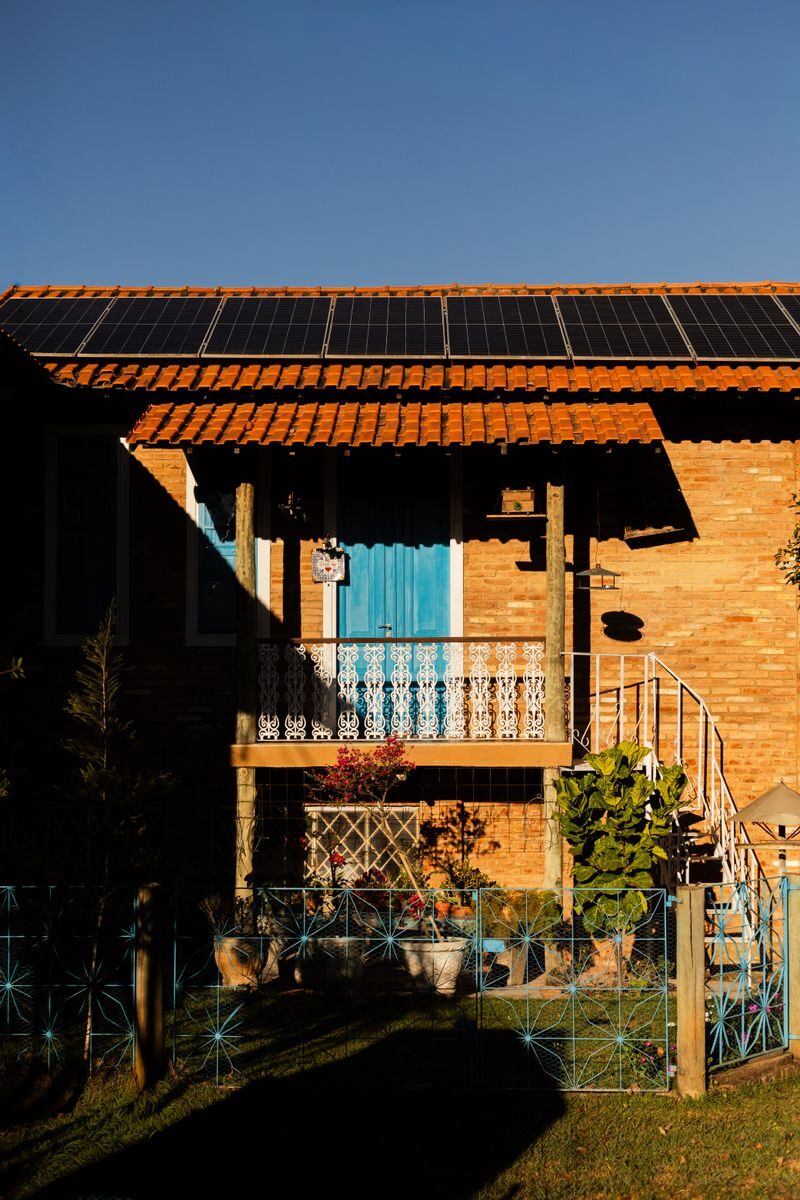
Breaking Free: Innovative Off-Grid Housing Solutions for a Sustainable Future
As the world continues to grapple with the effects of climate change and environmental degradation, the need for sustainable housing solutions has never been more urgent. Traditional housing models that rely on fossil fuels and deplete natural resources are no longer viable in the face of a rapidly changing climate. Off-grid housing solutions offer a promising alternative, providing homeowners with the opportunity to break free from the grid and live in a more sustainable and environmentally friendly manner.
What is Off-Grid Housing?
Off-grid housing refers to homes that are not connected to the traditional power grid or municipal water supply. Instead, off-grid homeowners rely on renewable energy sources such as solar panels, wind turbines, and hydropower to generate electricity. They also utilize rainwater harvesting systems, composting toilets, and other sustainable technologies to meet their water and waste management needs. By disconnecting from the grid, off-grid homeowners are able to reduce their carbon footprint and live more self-sufficiently.
The Benefits of Off-Grid Housing
There are numerous benefits to living off-grid, both for homeowners and the environment. One of the primary advantages is the reduced environmental impact of off-grid living. By generating their own electricity from renewable sources, off-grid homeowners can significantly reduce their carbon footprint and lessen their dependence on fossil fuels. In addition, off-grid homes are often more resilient in the face of natural disasters and power outages, as they are not reliant on centralized infrastructure.
Off-grid living also offers financial benefits to homeowners, as they are able to save money on utility bills and potentially even earn income by selling excess energy back to the grid. In the long run, off-grid homes can be more cost-effective than traditional homes, as they require less maintenance and are not subject to fluctuations in utility prices.
Innovative Off-Grid Housing Solutions
There are a variety of innovative off-grid housing solutions available that can help homeowners break free from the grid and live more sustainably. One popular option is the tiny house movement, which advocates for smaller, more efficient homes that require less energy to heat and cool. Tiny houses can be built on wheels and moved to different locations, making them an ideal choice for those looking to live off-grid.
Another innovative off-grid housing solution is the earthship, a type of passive solar home that is made from recycled materials such as tires, bottles, and cans. Earthships are designed to be self-sustaining, with built-in systems for water collection, solar energy generation, and waste treatment. These homes are incredibly energy-efficient and can be built in a variety of climates.
Off-grid homeowners can also benefit from the use of smart technology to monitor and control their energy usage. Smart thermostats, lighting systems, and appliances can help homeowners reduce their energy consumption and save money on their utility bills. In addition, off-grid homeowners can utilize energy storage systems such as batteries to store excess energy generated by renewable sources for use during times when solar panels or wind turbines are not producing power.
Challenges of Off-Grid Living
While off-grid living offers many benefits, there are also challenges that homeowners may face when choosing to break free from the grid. One of the primary challenges is the initial cost of installing off-grid systems such as solar panels and rainwater harvesting systems. While these systems can ultimately save homeowners money in the long run, the upfront costs can be prohibitive for some individuals.
Another challenge of off-grid living is the need for self-reliance and resourcefulness. Off-grid homeowners must be prepared to troubleshoot and repair their own systems, as they may not have access to professional help in remote locations. In addition, off-grid living requires a certain level of lifestyle adjustment, as homeowners must be mindful of their energy and water usage in order to live sustainably.
Conclusion
Off-grid housing solutions offer a promising alternative for homeowners looking to live more sustainably and reduce their environmental impact. By generating their own electricity from renewable sources and utilizing innovative technologies for water and waste management, off-grid homeowners can break free from the grid and live more self-sufficiently. While there are challenges associated with off-grid living, the benefits far outweigh the drawbacks, making it an attractive option for those seeking a more sustainable future.
Overall, breaking free from the grid is not only a practical choice for homeowners looking to save money and reduce their environmental impact, but also a crucial step towards building a more sustainable future for all.