In recent years, the tiny home movement has gained significant momentum as people seek more sustainable and eco-friendly housing options. These compact dwellings offer a unique opportunity to reduce our carbon footprint and live a simpler, more efficient lifestyle. Building a sustainable tiny home requires careful planning and consideration of eco-friendly materials, energy-efficient systems, and innovative design solutions. In this article, we will explore the blueprint for a greener future by building a sustainable tiny home.
### Why Choose a Tiny Home?
Tiny homes have become increasingly popular for a variety of reasons. They offer a more affordable housing option, allowing individuals to reduce their living expenses and financial burden. Additionally, tiny homes require less maintenance and upkeep, freeing up time and resources for other pursuits. From an environmental perspective, tiny homes have a significantly smaller carbon footprint compared to traditional homes, as they require fewer materials, resources, and energy to build and operate.
### Designing for Sustainability
When designing a sustainable tiny home, it’s essential to consider factors such as energy efficiency, water conservation, and material selection. By incorporating green building principles into the design process, you can create a home that is both eco-friendly and comfortable to live in. Some key considerations for sustainable design include:
1. **Passive Solar Design**: Utilize natural sunlight and heat to reduce the need for artificial lighting and heating. Orienting your tiny home to maximize solar exposure can help lower energy costs and improve comfort.
2. **Energy-Efficient Appliances**: Choose energy-efficient appliances and lighting fixtures to minimize electricity consumption. Look for products with the Energy Star label to ensure optimal efficiency.
3. **Insulation and Air Sealing**: Proper insulation and air sealing are essential for maintaining a comfortable indoor temperature and reducing energy waste. Consider using eco-friendly insulation materials such as recycled denim or cellulose.
4. **Water Conservation**: Install low-flow fixtures and water-saving appliances to reduce water usage. Consider implementing a rainwater collection system for irrigation and non-potable water needs.
### Sustainable Materials
Selecting sustainable materials is crucial for building a green tiny home. Look for products that are responsibly sourced, durable, and energy-efficient. Some eco-friendly building materials to consider include:
– **Bamboo**: A rapidly renewable resource that is strong, durable, and lightweight.
– **Cork**: A sustainable and versatile material that offers excellent insulation properties.
– **Recycled Glass**: Use recycled glass countertops and tiles to add a touch of elegance to your tiny home.
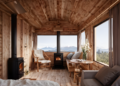
– **Reclaimed Wood**: Salvaged wood from old buildings or pallets can add character and charm to your home while reducing deforestation.
### Off-Grid Living
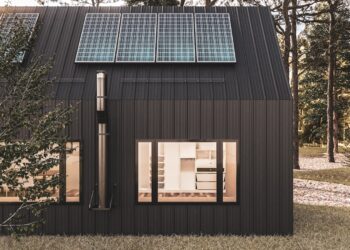
One of the main advantages of tiny homes is their ability to operate off the grid, reducing reliance on traditional utilities and infrastructure. By incorporating renewable energy sources such as solar panels, wind turbines, or micro-hydro systems, you can generate your electricity and reduce your carbon footprint. Off-grid living also promotes self-sufficiency and resilience, allowing you to live more independently and sustainably.
### Common Questions About Sustainable Tiny Homes
1. **Are Tiny Homes Legal?**
– The legality of tiny homes varies depending on location and local zoning regulations. It’s essential to research and comply with local building codes and regulations before embarking on a tiny home project.
2. **How Much Does It Cost to Build a Tiny Home?**
– The cost of building a tiny home can vary significantly depending on size, design, materials, and location. On average, a DIY tiny home project can cost anywhere from $10,000 to $50,000 or more.
3. **Can Tiny Homes Be Customized?**
– Yes, tiny homes can be customized to suit your individual needs and preferences. From layout and design to materials and finishes, there are endless possibilities for personalizing your tiny home.
4. **Are Tiny Homes Sustainable?**
– Tiny homes have the potential to be highly sustainable, especially when built with eco-friendly materials and energy-efficient systems. By incorporating green building principles and off-grid technologies, you can create a truly sustainable living space.
### Conclusion
Building a sustainable tiny home is an exciting and rewarding endeavor that offers numerous benefits for both individuals and the environment. By following the blueprint for a greener future outlined in this article, you can create a comfortable, efficient, and eco-friendly living space that reflects your values and priorities. Whether you choose to live off the grid or simply reduce your carbon footprint, tiny homes provide a unique opportunity to embrace a more sustainable lifestyle. With careful planning, thoughtful design, and a commitment to eco-friendly practices, you can build a tiny home that represents the future of sustainable living.