In today’s rapidly evolving world, the need for sustainable energy solutions has never been more pressing. As we face the challenges of climate change and the depletion of traditional energy sources, the development of future-proof green energy technologies has become a top priority for governments, businesses, and individuals alike. From solar panels to wind turbines, the rise of renewable energy sources is reshaping the way we power our world.
### The Importance of Green Energy Technologies
Green energy technologies offer a clean, renewable alternative to fossil fuels, which are finite resources that contribute to pollution and climate change. By harnessing the power of the sun, wind, and other natural elements, we can generate electricity without harming the environment. This not only helps reduce our carbon footprint but also promotes energy independence and security.
### The Rise of Solar Power
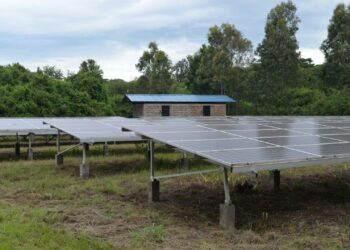
One of the most promising green energy technologies is solar power. Solar panels convert sunlight into electricity, providing a reliable source of clean energy that is abundant and widely available. As the cost of solar panels continues to decrease and efficiency increases, more and more homeowners and businesses are investing in solar energy systems to power their properties.
### Harnessing the Power of the Wind
Another key player in the green energy revolution is wind power. Wind turbines convert the kinetic energy of the wind into electricity, offering a sustainable alternative to traditional power plants. As wind technology advances and turbines become more efficient, wind power is becoming an increasingly viable option for generating electricity on a large scale.
### The Role of Hydropower
Hydropower, or electricity generated from flowing water, is another important player in the green energy landscape. By harnessing the power of rivers and streams, hydropower plants can generate electricity with minimal environmental impact. While large-scale hydropower projects have faced criticism for their impact on ecosystems, smaller-scale hydropower systems offer a more sustainable alternative for communities looking to reduce their reliance on fossil fuels.
### The Promise of Geothermal Energy
Geothermal energy, which harnesses the heat of the Earth’s core to generate electricity, is another promising green energy technology. By tapping into underground reservoirs of hot water and steam, geothermal power plants can produce electricity with minimal greenhouse gas emissions. While geothermal energy has traditionally been limited to areas with high geothermal activity, advances in technology are making it more accessible in a wider range of locations.
### The Future of Green Energy Technologies
As we look ahead to the future, the potential for green energy technologies to transform the way we power our world is immense. From advancements in battery storage to innovations in smart grid technology, the possibilities for a sustainable energy future are endless. By investing in research and development, as well as supporting policies that promote the adoption of renewable energy sources, we can pave the way for a cleaner, greener future for generations to come.
### Common Questions About Green Energy Technologies
1. How do green energy technologies work?
Green energy technologies harness renewable sources of energy, such as sunlight, wind, and water, to generate electricity. Solar panels convert sunlight into electricity, wind turbines convert the kinetic energy of the wind into electricity, and hydropower plants generate electricity from flowing water.
2. Are green energy technologies cost-effective?
While the upfront costs of installing green energy technologies can be significant, the long-term savings in energy bills and the potential for government incentives and rebates make them a cost-effective investment for many homeowners and businesses.
3. What are the environmental benefits of green energy technologies?
Green energy technologies produce electricity without emitting greenhouse gases or other pollutants, helping to reduce air and water pollution, combat climate change, and protect ecosystems and wildlife.
4. How can I incorporate green energy technologies into my home or business?
There are many ways to incorporate green energy technologies into your home or business, from installing solar panels on your roof to investing in energy-efficient appliances and lighting. Consulting with a renewable energy specialist can help you determine the best options for your specific needs and budget.
### Conclusion
The rise of future-proof green energy technologies represents a critical turning point in our efforts to combat climate change and build a sustainable future. By harnessing the power of renewable energy sources such as solar, wind, and hydropower, we can reduce our reliance on fossil fuels, lower our carbon footprint, and create a cleaner, greener world for future generations. With continued investment in research and development, as well as support for policies that promote the adoption of green energy technologies, we can power tomorrow with clean, renewable energy solutions that benefit both people and the planet.