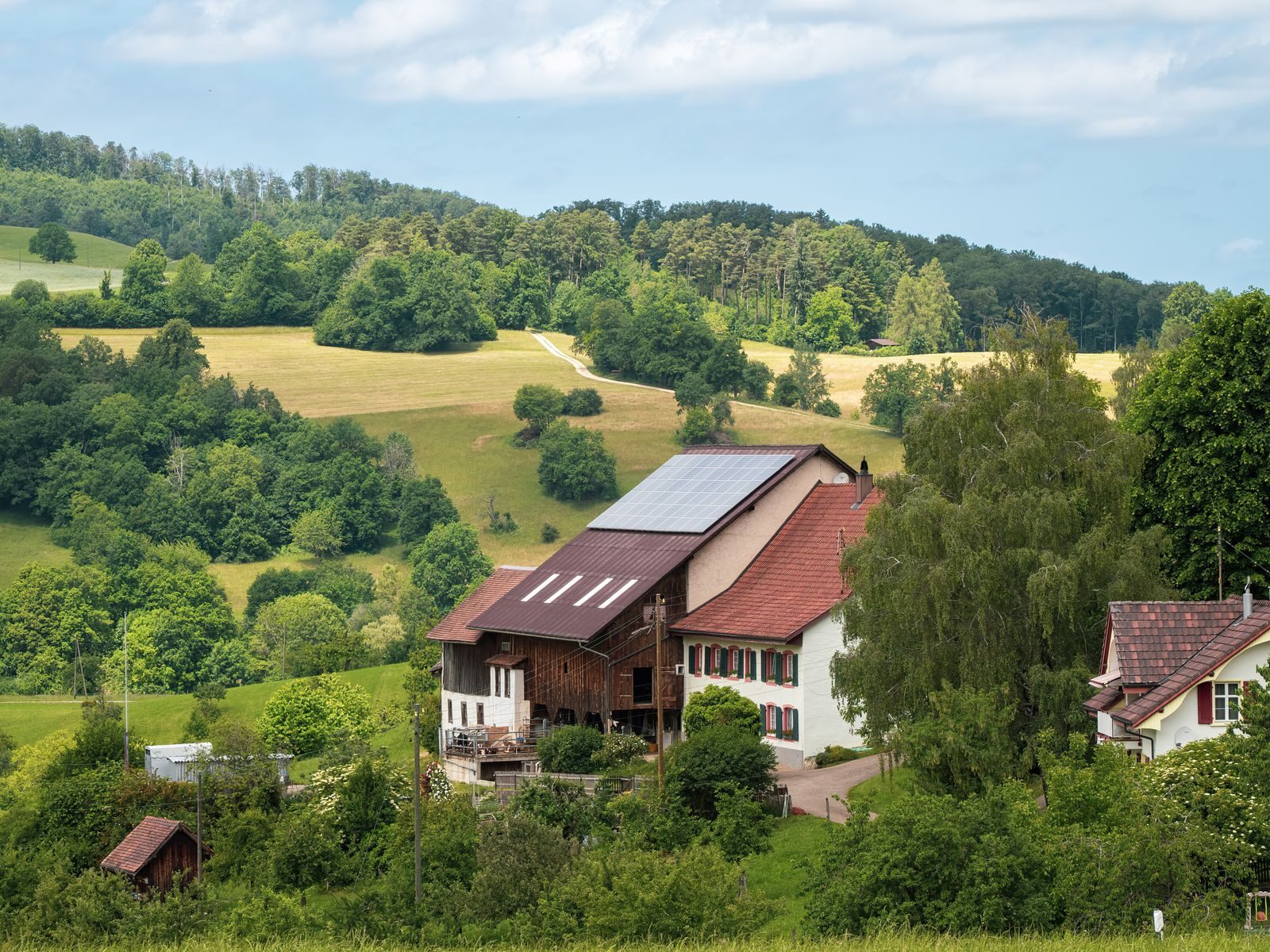
In recent years, the concept of off-grid living has gained popularity as more people seek to reduce their reliance on traditional energy sources and live a more sustainable lifestyle. For those living in remote areas, off-grid living can provide a sense of freedom and independence. However, one of the biggest challenges of off-grid living is finding a reliable source of energy. Solar energy solutions offer a sustainable and cost-effective way to power remote homes, making off-grid living more accessible and empowering for residents.
The Benefits of Off-Grid Living
Living off the grid has numerous benefits, including reduced utility costs, increased self-sufficiency, and a smaller carbon footprint. By generating their own energy, off-grid homeowners can avoid the rising costs of traditional utilities and have greater control over their energy consumption. Off-grid living also allows residents to live in remote locations without access to the grid, giving them the freedom to choose where they want to live and reducing their impact on the environment.
The Power of Solar Energy
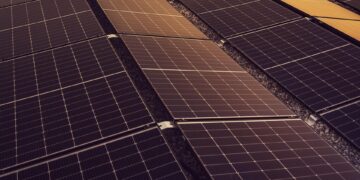
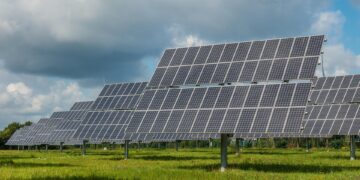
Solar energy is a renewable and sustainable energy source that harnesses the power of the sun to generate electricity. Solar panels convert sunlight into electricity through photovoltaic cells, which can then be stored in batteries for use when the sun is not shining. Solar energy is clean, quiet, and reliable, making it an ideal solution for off-grid living.
Solar Energy Solutions for Remote Homes
There are several solar energy solutions available for remote homes, ranging from small solar panels for individual appliances to larger systems that can power an entire home. Off-grid homeowners can choose from off-grid solar systems, grid-tied solar systems with battery backup, or hybrid systems that combine solar energy with other renewable energy sources. Each system has its own advantages and considerations, depending on the specific needs and location of the home.
Off-Grid Solar System Components
Off-grid solar systems typically consist of solar panels, batteries, charge controllers, and inverters. Solar panels capture sunlight and convert it into electricity, which is then stored in batteries for later use. Charge controllers regulate the flow of electricity between the solar panels and the batteries, while inverters convert the direct current (DC) electricity generated by the solar panels into alternating current (AC) electricity for use in the home. Off-grid solar systems can also include backup generators for times when solar energy production is low.
Sizing Your Off-Grid Solar System
When designing an off-grid solar system for a remote home, it’s important to properly size the system to meet the energy needs of the household. Factors such as the size of the home, the number of appliances and devices, and the climate of the location all play a role in determining the size of the solar system. Off-grid homeowners should work with a professional solar installer to calculate their energy needs and design a system that will provide reliable power year-round.
Maintenance and Monitoring
Once installed, off-grid solar systems require regular maintenance to ensure optimal performance. This includes cleaning the solar panels to remove dirt and debris, checking the batteries for proper charging and voltage levels, and monitoring the system for any issues or malfunctions. Off-grid homeowners should also keep an eye on their energy consumption and adjust their usage as needed to maximize the efficiency of their solar system.
Financing and Incentives
While off-grid solar systems can be a significant investment upfront, there are several financing options and incentives available to help offset the cost. Many states offer rebates, tax credits, and other incentives for installing solar energy systems, making it more affordable for off-grid homeowners to go solar. Additionally, there are financing programs available that allow homeowners to finance the cost of their solar system over time, making it easier to transition to off-grid living.
Common Questions About Off-Grid Solar Energy
As off-grid living becomes more popular, there are several common questions that homeowners may have about solar energy solutions. Some of the most frequently asked questions include:
– How much does an off-grid solar system cost?
– How long do solar panels last?
– What happens if there is not enough sunlight to power the home?
– Can solar panels work in cold or cloudy climates?
– Are there any maintenance requirements for off-grid solar systems?
By addressing these common questions and providing valuable information about off-grid solar energy solutions, homeowners can make informed decisions about their energy needs and take the necessary steps to empower their off-grid living experience.
Conclusion
Off-grid living offers a unique opportunity for homeowners to live sustainably and independently, but finding a reliable source of energy can be a challenge. Solar energy solutions provide a cost-effective and sustainable way to power remote homes, making off-grid living more accessible and empowering for residents. By understanding the benefits of solar energy, choosing the right system for their needs, and maintaining their system properly, off-grid homeowners can enjoy the freedom and independence that comes with living off the grid. With the right knowledge and resources, off-grid living can be a rewarding and fulfilling experience for those who choose to embrace it.