Building Your Dream Home: Budget-Friendly and Eco-Friendly House Designs for Beginners
In today’s world, more and more people are becoming conscious of the impact their homes have on the environment. As a result, there is a growing trend towards building eco-friendly houses that not only help reduce our carbon footprint but also save us money in the long run. Building your dream home can be an exciting and fulfilling experience, but it can also be overwhelming, especially if you are a beginner. In this article, we will discuss budget-friendly and eco-friendly house designs that are perfect for beginners.
1. The Benefits of Building an Eco-Friendly Home
Before we delve into specific eco-friendly house designs, let’s first understand why building an eco-friendly home is beneficial. Eco-friendly homes are designed to be energy-efficient, which means they consume less energy and produce fewer greenhouse gas emissions. This not only helps protect the environment but also saves you money on your utility bills. In addition, eco-friendly homes are built using sustainable materials that are non-toxic and have a lower environmental impact. They also tend to have better indoor air quality, which can improve your overall health and well-being.
2. Choosing the Right Eco-Friendly House Design
When it comes to choosing an eco-friendly house design, there are several factors to consider. One of the most important aspects is orientation. By orienting your home to take advantage of natural light and airflow, you can reduce your reliance on artificial lighting and heating/cooling systems. Another important factor is insulation. Proper insulation can help regulate the temperature inside your home, reducing the need for heating and cooling. Additionally, choosing energy-efficient appliances and fixtures can further reduce your energy consumption.
3. Budget-Friendly House Designs
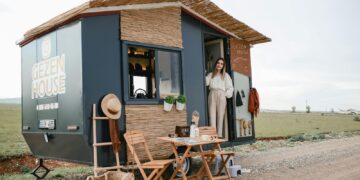
Now that we have discussed the benefits of building an eco-friendly home and factors to consider when choosing a design, let’s look at some budget-friendly house designs that are perfect for beginners. One popular option is the tiny house. Tiny houses are small, compact homes that are often built on wheels, making them easy to move and relocate. They are also relatively inexpensive to build and maintain, making them a great option for those on a budget. Another budget-friendly option is the passive solar house. Passive solar houses are designed to take advantage of the sun’s energy for heating and lighting, reducing the need for artificial heating and lighting.
4. Eco-Friendly House Designs for Beginners
In addition to budget-friendly house designs, there are also eco-friendly house designs that are perfect for beginners. One popular option is the straw bale house. Straw bale houses are built using straw bales as insulation, making them highly energy-efficient. They are also relatively inexpensive to build and have a unique, rustic charm. Another eco-friendly option is the rammed earth house. Rammed earth houses are built using compacted earth, which has excellent thermal mass properties. This means that the walls can absorb and release heat, helping regulate the temperature inside the home.
5. Common Questions About Building Your Dream Home
As a beginner, you may have several questions about building your dream home. Here are some common questions and answers to help you get started:
– How much does it cost to build a budget-friendly and eco-friendly home?
The cost of building a budget-friendly and eco-friendly home can vary depending on the size, design, and materials used. However, on average, building a tiny house can cost anywhere from $20,000 to $50,000, while building a passive solar house can cost around $200,000 to $300,000.
– How long does it take to build a budget-friendly and eco-friendly home?
The time it takes to build a budget-friendly and eco-friendly home can also vary depending on the complexity of the design and the availability of materials and labor. On average, building a tiny house can take anywhere from a few weeks to a few months, while building a passive solar house can take around 6 to 12 months.
– Are there any government incentives for building an eco-friendly home?
Many governments offer incentives for building eco-friendly homes, such as tax credits, rebates, and grants. These incentives can help offset the cost of building an eco-friendly home and make it more affordable for homeowners.
6. Conclusion
Building your dream home can be a rewarding experience, especially when you choose a budget-friendly and eco-friendly design. By following the tips and advice outlined in this article, you can create a home that is not only comfortable and stylish but also environmentally friendly and energy-efficient. Remember to consider factors such as orientation, insulation, and energy-efficient appliances when choosing a design, and don’t hesitate to take advantage of government incentives for building an eco-friendly home. With the right knowledge and resources, you can build a home that is both affordable and sustainable for years to come.