Empowering Remote Living: Off-Grid Solar Solutions for Sustainable Energy Independence
Living off-grid in remote locations can be a liberating experience, allowing individuals to disconnect from traditional utilities and live in harmony with nature. However, one of the biggest challenges of off-grid living is ensuring a reliable source of energy. In recent years, off-grid solar solutions have emerged as a popular and sustainable option for those seeking energy independence. In this article, we will explore the benefits of off-grid solar power and how it can empower remote living.
The Benefits of Off-Grid Solar Power
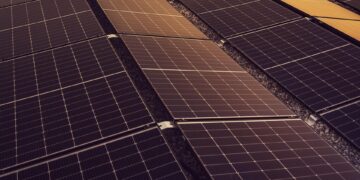
Off-grid solar power systems harness the energy of the sun to generate electricity, making them a clean and renewable energy source. Unlike traditional fossil fuels, solar power produces no greenhouse gas emissions, making it an environmentally friendly option for off-grid living. Additionally, solar panels require minimal maintenance and have a long lifespan, making them a cost-effective energy solution in the long run.
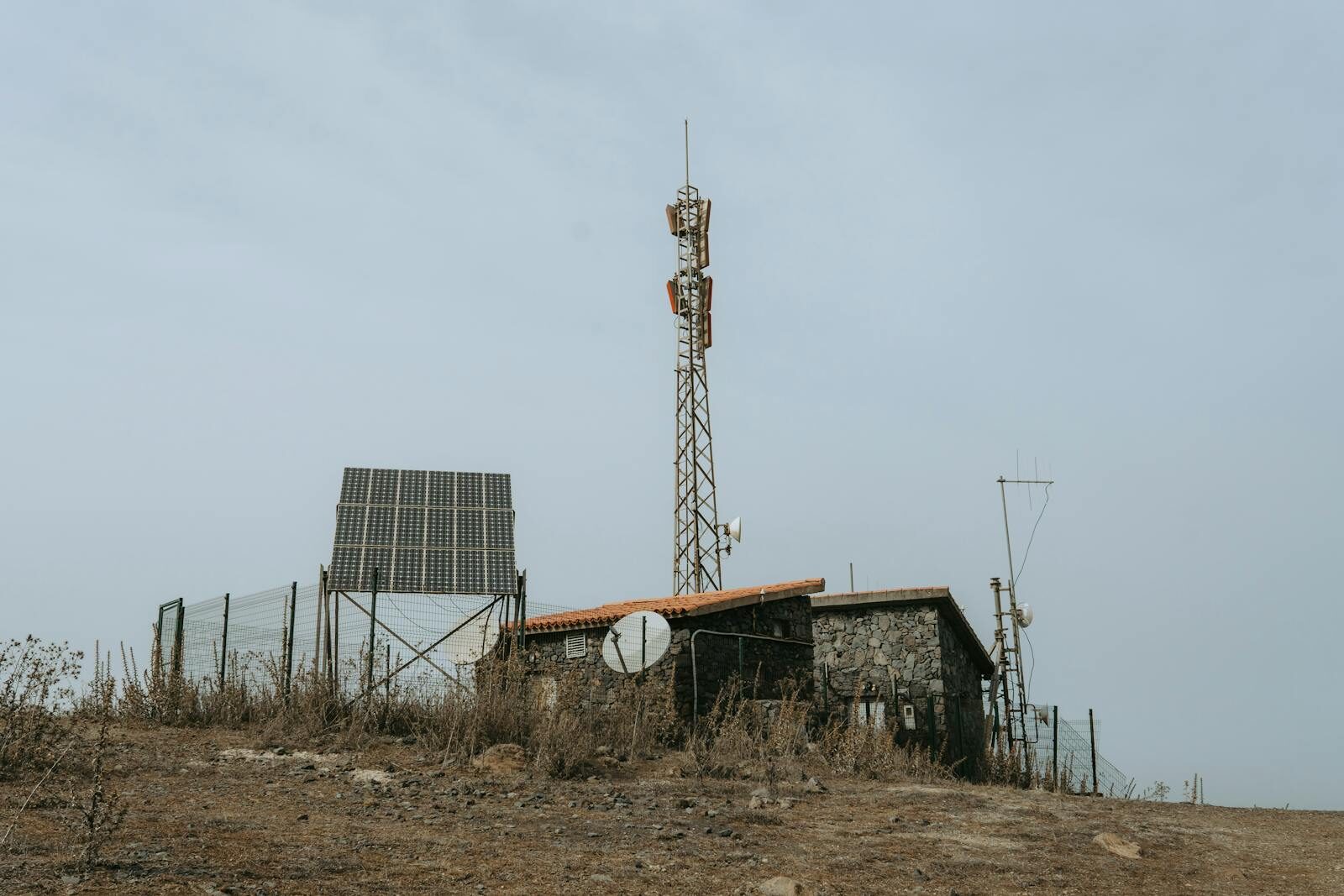
Off-grid solar power systems also provide a reliable source of energy in remote locations where access to the grid is limited or non-existent. By harnessing the power of the sun, off-grid solar solutions can provide a consistent source of electricity, even in the most isolated areas. This can be particularly beneficial for individuals living in off-grid cabins, tiny homes, or remote homesteads.
How Off-Grid Solar Solutions Work
Off-grid solar power systems consist of solar panels, a charge controller, a battery bank, and an inverter. Solar panels are installed on the roof or in a sunny location to capture sunlight and convert it into electricity. The charge controller regulates the flow of electricity from the solar panels to the battery bank, ensuring that the batteries are charged properly and preventing overcharging. The battery bank stores the excess electricity generated by the solar panels, allowing homeowners to use the power when the sun is not shining. The inverter converts the direct current (DC) electricity stored in the batteries into alternating current (AC) electricity, which can be used to power household appliances and electronics.
Choosing the Right Off-Grid Solar System
When selecting an off-grid solar system for your remote living setup, it is important to consider your energy needs, budget, and location. The size of your solar panels and battery bank will depend on the amount of electricity you need to power your home. It is recommended to conduct an energy audit to determine your daily energy consumption and select a solar system that can meet your needs.
It is also important to consider your budget when choosing an off-grid solar system. While the initial cost of installing a solar power system can be expensive, the long-term savings on energy bills can make it a cost-effective investment. Additionally, there are government incentives and rebates available for solar installations that can help offset the upfront costs.
Lastly, consider your location when selecting an off-grid solar system. The amount of sunlight your location receives will impact the efficiency of your solar panels. It is important to install your solar panels in a sunny location with minimal shading to maximize their energy production.
Common Questions About Off-Grid Solar Power
1. How long do off-grid solar panels last?
Off-grid solar panels have a lifespan of 25-30 years, making them a long-lasting energy solution for remote living. With proper maintenance, solar panels can continue to generate electricity for decades, providing a reliable source of energy for off-grid homeowners.
2. What happens on cloudy days or at night?
During cloudy days or at night when the sun is not shining, off-grid solar systems rely on the energy stored in the battery bank to power your home. It is important to size your battery bank correctly to ensure you have enough stored energy to last through periods of low sunlight.
3. Can I connect my off-grid solar system to the grid?
Off-grid solar systems are designed to operate independently of the grid, making them an ideal solution for remote living. However, if you decide to connect your off-grid solar system to the grid in the future, it is possible to do so with the help of a grid-tie inverter.
Conclusion
Off-grid solar power solutions offer a sustainable and reliable source of energy for individuals living in remote locations. By harnessing the power of the sun, off-grid solar systems can provide energy independence, reduce utility costs, and minimize environmental impact. With proper planning and installation, off-grid solar solutions can empower individuals to live off-grid in a sustainable and environmentally friendly way.
For those considering off-grid living, investing in an off-grid solar power system can provide the energy independence needed to thrive in remote locations. With the right system in place, off-grid living can be a rewarding and sustainable lifestyle choice.