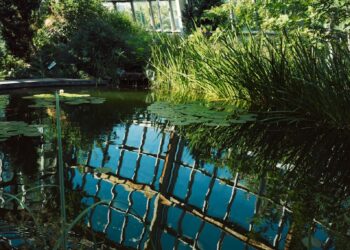
Grow Green: The Ultimate Guide to Creating a Sustainable Rain Garden
Welcome to the ultimate guide to creating a sustainable rain garden! If you’re looking to enhance the beauty of your outdoor space while also helping the environment, a rain garden is the perfect solution. By capturing and absorbing rainwater, rain gardens can help reduce water pollution, prevent erosion, and provide a habitat for beneficial insects and wildlife.
What is a Rain Garden?
A rain garden is a landscaped area that is designed to capture and absorb rainwater runoff from roofs, driveways, and other impermeable surfaces. By allowing rainwater to slowly soak into the ground, rain gardens help reduce stormwater runoff and recharge groundwater supplies. This not only helps prevent flooding and erosion but also reduces the amount of pollutants that are washed into rivers and streams.
Benefits of a Rain Garden
There are numerous benefits to creating a rain garden in your outdoor space. Some of the key benefits include:
1. Water Conservation
Rain gardens help to conserve water by capturing and storing rainwater, which can then be slowly released back into the ground. This can help reduce the demand on municipal water supplies and save you money on your water bill.
2. Pollution Prevention
By capturing rainwater runoff, rain gardens can help filter out pollutants such as fertilizers, pesticides, and pet waste before they reach our waterways. This can help improve water quality and protect aquatic ecosystems.
3. Habitat Creation
Rain gardens provide a habitat for a variety of beneficial insects, birds, and other wildlife. By incorporating native plants into your rain garden, you can attract pollinators such as bees and butterflies and create a thriving ecosystem in your own backyard.
How to Create a Rain Garden
Creating a rain garden is a relatively simple process that can be customized to fit the specific needs and conditions of your outdoor space. Follow these steps to create your own sustainable rain garden:
1. Choose a Location
When selecting a location for your rain garden, choose an area that receives a lot of runoff from your roof, driveway, or other impermeable surfaces. Make sure the area is at least 10 feet away from your home’s foundation and is not located over a septic system or utility lines.
2. Size and Shape
The size and shape of your rain garden will depend on the amount of runoff it will receive and the space available in your yard. A typical rain garden is between 100 and 300 square feet in size and has a depth of 6-12 inches.
3. Soil Preparation
Before planting your rain garden, it’s important to prepare the soil to ensure proper drainage. Remove any existing turf or weeds, loosen the soil to a depth of at least 6 inches, and add compost or organic matter to improve soil structure and fertility.
4. Plant Selection
Choose a mix of native plants for your rain garden that are well-adapted to your climate and soil conditions. Native plants are better able to tolerate drought, flooding, and other environmental stressors, making them ideal choices for a sustainable rain garden.
5. Mulch and Maintenance
After planting your rain garden, apply a layer of mulch to help retain moisture and suppress weeds. Water your rain garden regularly, especially during dry spells, and remove any weeds or debris as needed to keep it looking its best.
Common Questions About Rain Gardens
Here are some common questions about rain gardens and their answers:
1. Do rain gardens attract mosquitoes?
Properly designed rain gardens should not attract mosquitoes, as they are designed to drain quickly and not hold stagnant water. By incorporating native plants that attract beneficial insects such as dragonflies and birds, you can help naturally control mosquito populations.
2. Can I use a rain barrel with a rain garden?
Yes, you can use a rain barrel in conjunction with a rain garden to capture rainwater from your roof and direct it to your rain garden. This can help reduce stormwater runoff and provide additional water for your plants during dry periods.
3. Are rain gardens expensive to create?
While there are some upfront costs associated with creating a rain garden, such as purchasing plants and soil amendments, rain gardens are generally a cost-effective and sustainable landscaping option. Over time, you can save money on your water bill and reduce the need for irrigation and fertilizers.
Conclusion
Creating a sustainable rain garden is a rewarding and environmentally-friendly way to enhance the beauty of your outdoor space. By capturing and absorbing rainwater runoff, rain gardens can help conserve water, prevent pollution, and provide habitat for beneficial wildlife. Follow the steps outlined in this guide to create your own rain garden and start enjoying the numerous benefits it has to offer.
Remember to choose native plants, properly prepare the soil, and maintain your rain garden to ensure its long-term success. By incorporating sustainable practices into your landscaping, you can make a positive impact on the environment and create a beautiful and functional outdoor space for years to come.