The Future of Urban Agriculture with Vertical Farming
Urban agriculture has been gaining popularity in recent years as a way to address food insecurity, promote sustainability, and reduce the carbon footprint of food production. With the world’s population continuing to grow and urban areas becoming more densely populated, the need for innovative solutions to grow food in cities has never been more pressing. Vertical farming is one such solution that is revolutionizing the way we think about agriculture in urban environments.
What is Vertical Farming?
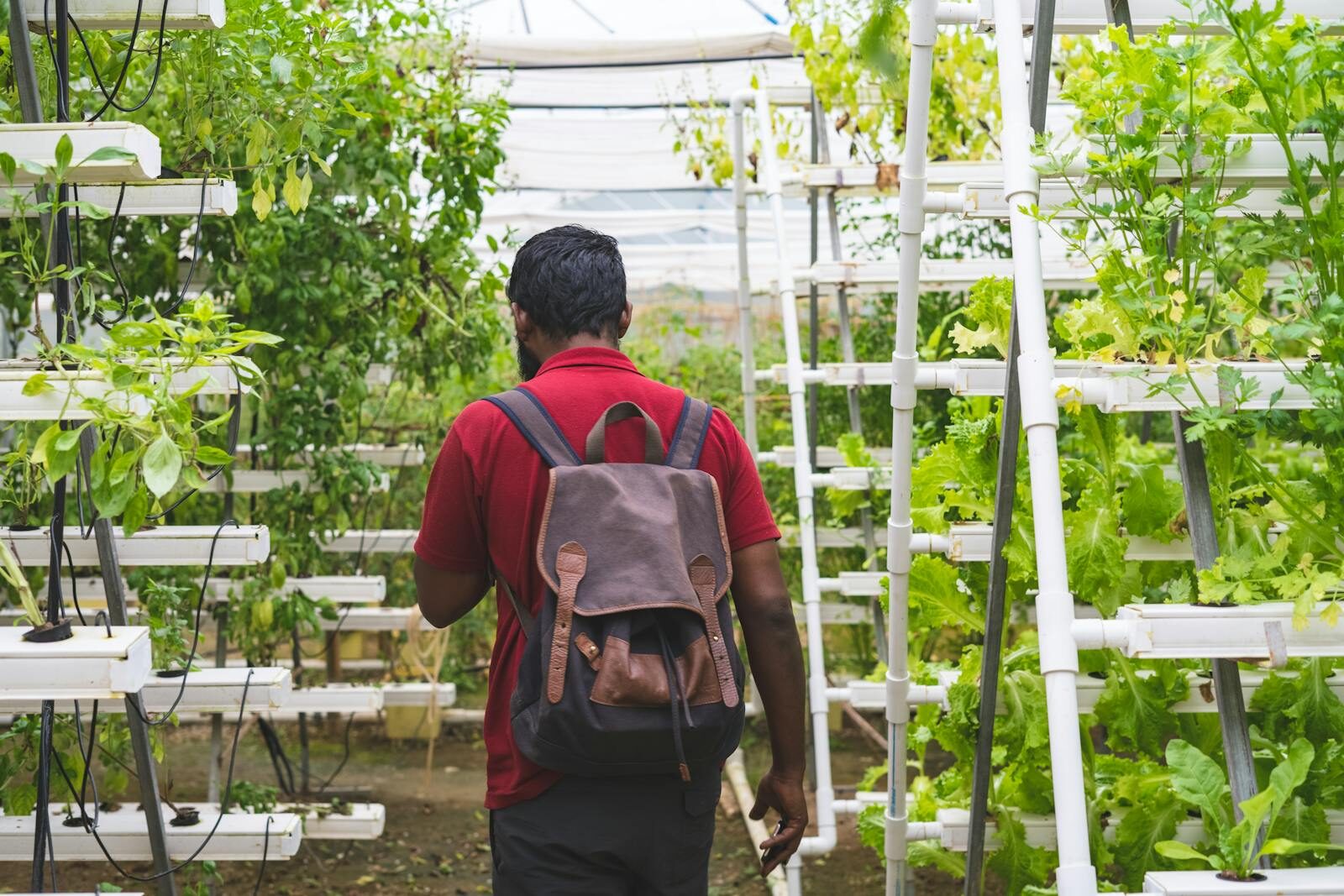
Vertical farming is a method of growing food in vertically stacked layers, usually in controlled environments like warehouses or skyscrapers. This allows for year-round production of crops without the need for arable land, making it an ideal solution for urban areas where space is limited. By using hydroponic or aeroponic systems, vertical farms can produce crops more efficiently and sustainably than traditional farming methods.
The Benefits of Vertical Farming
There are many benefits to vertical farming, including:
- Increased crop yields: Vertical farms can produce significantly higher yields per square foot compared to traditional farming methods.
- Reduced water usage: Hydroponic and aeroponic systems used in vertical farming require less water than conventional agriculture.
- Year-round production: Vertical farms can produce crops all year round, regardless of the season or weather conditions.
- Reduced carbon footprint: By growing food closer to urban centers, vertical farming reduces the need for long-distance transportation, leading to lower carbon emissions.
The Future of Urban Agriculture
As the world’s population continues to grow, the demand for food will only increase. Urban agriculture, particularly vertical farming, offers a sustainable solution to this growing challenge. By utilizing unused urban spaces and innovative farming techniques, cities can become more self-sufficient in food production and reduce their reliance on imported food.
Challenges and Opportunities
While vertical farming holds great promise for the future of urban agriculture, there are still challenges that need to be addressed. These include the high initial costs of setting up a vertical farm, the need for skilled labor to operate the farms, and the energy-intensive nature of indoor farming. However, as technology advances and economies of scale are achieved, these challenges are likely to be overcome.
There are also many opportunities for growth and innovation in the vertical farming industry. As more research is conducted and new technologies are developed, vertical farms are becoming more efficient and cost-effective. In addition, vertical farming can be combined with other sustainable practices, such as renewable energy sources and waste recycling, to create truly sustainable urban food systems.
Conclusion
Vertical farming has the potential to revolutionize the way we grow food in urban areas. By maximizing space, reducing water usage, and increasing crop yields, vertical farms offer a sustainable solution to the challenges of feeding a growing urban population. As technology advances and costs decrease, vertical farming is likely to become more widespread and accessible, leading to a more resilient and sustainable food system for cities around the world.
Overall, the future of urban agriculture looks bright with vertical farming leading the way towards a more sustainable and food-secure world.