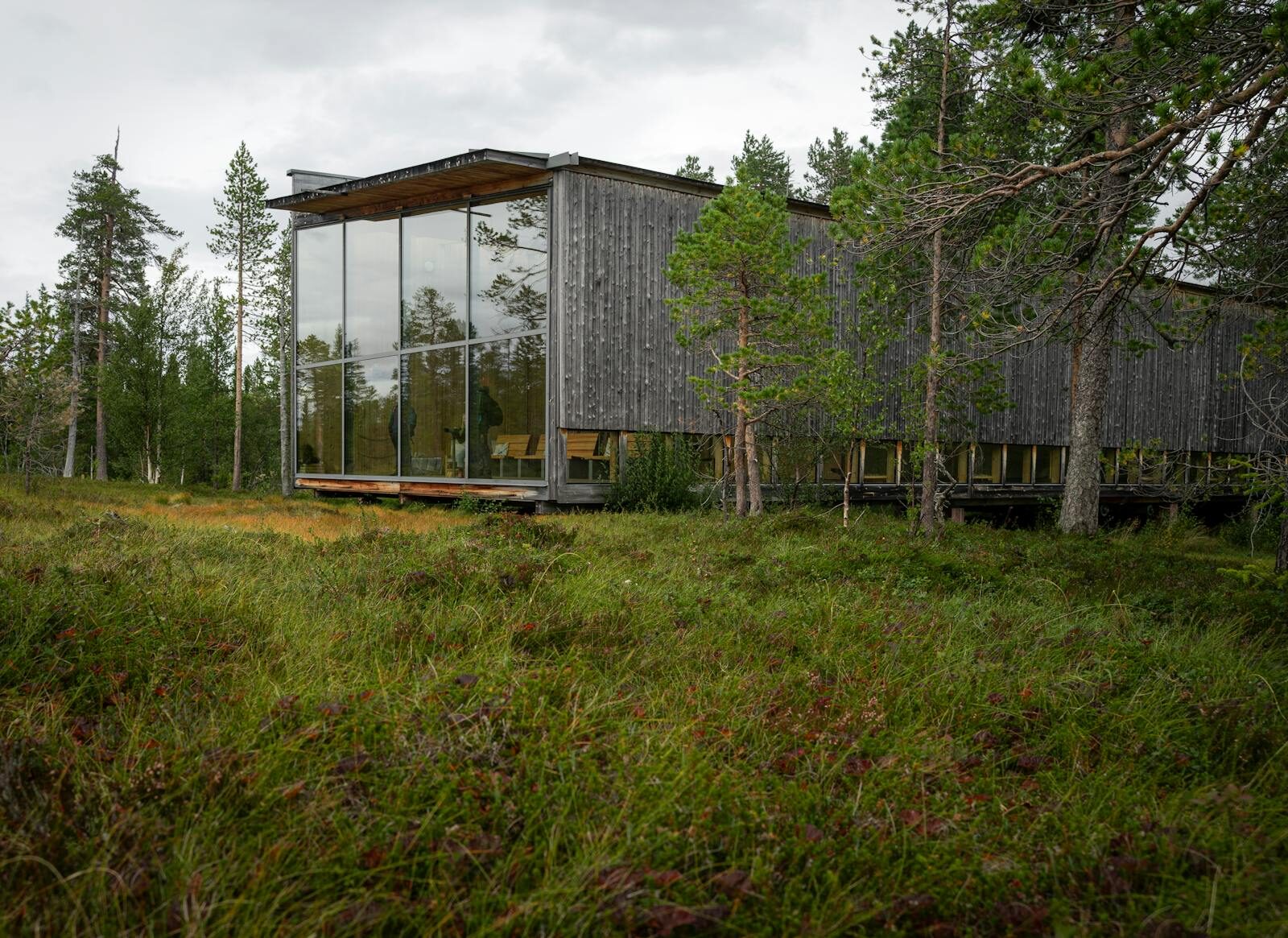
Embracing Simplicity: The Art of Off-Grid Living with Minimalist Values
Living off-grid is a lifestyle choice that is gaining popularity in today’s fast-paced world. It involves disconnecting from the traditional utilities and services that most people rely on, such as electricity, water, and sewage systems. Embracing simplicity and minimalist values are at the core of this lifestyle, as individuals seek to reduce their environmental impact and live a more sustainable and self-sufficient life.
Benefits of Off-Grid Living
There are numerous benefits to living off-grid, including:
- Reduced environmental impact
- Increased self-sufficiency
- Lower utility bills
- Closer connection to nature
- Freedom from societal constraints
By embracing simplicity and minimalist values, individuals can create a more intentional and fulfilling life that is focused on what truly matters to them.
Common Questions About Off-Grid Living
Many people are curious about off-grid living but have questions about how to get started. Here are some common questions and answers:
1. How do you generate electricity off-grid?
There are several ways to generate electricity off-grid, including solar panels, wind turbines, and micro-hydro systems. These renewable energy sources can provide a reliable and sustainable power supply for off-grid homes.
2. How do you get water off-grid?
Off-grid homes can collect water from rainwater harvesting systems, wells, or natural springs. Water filtration systems can ensure that the water is safe to drink and use for daily activities.
3. How do you handle waste off-grid?
Off-grid homes can utilize composting toilets, greywater systems, and septic tanks to manage waste in an environmentally friendly manner. By reducing water usage and implementing sustainable waste management practices, off-grid individuals can minimize their environmental impact.
Minimalist Values in Off-Grid Living
Embracing minimalist values is essential in off-grid living, as it encourages individuals to live with less and focus on what truly matters to them. By simplifying their lives and reducing their consumption, off-grid individuals can create a more intentional and meaningful lifestyle.
1. Simplify your belongings
Living off-grid often means living in a smaller space, which requires individuals to declutter and simplify their belongings. By owning fewer possessions, off-grid individuals can reduce their environmental impact and live a more minimalist lifestyle.
2. Focus on quality over quantity
Instead of buying cheap and disposable items, off-grid individuals prioritize quality and durability. By investing in high-quality products that last longer, they can reduce waste and save money in the long run.
3. Embrace frugality
Living off-grid requires individuals to be resourceful and frugal. By growing their own food, making their own products, and reusing items, off-grid individuals can save money and live a more sustainable lifestyle.
Creating a Sustainable Off-Grid Home
Building a sustainable off-grid home involves careful planning and consideration of environmental factors. Here are some tips for creating a sustainable off-grid home:
1. Choose a suitable location
When building an off-grid home, it’s important to consider the location and orientation of the property. By choosing a site that receives ample sunlight and has access to water sources, off-grid individuals can optimize their energy and water supply.
2. Invest in renewable energy sources
Solar panels, wind turbines, and micro-hydro systems are all viable options for generating electricity off-grid. By investing in renewable energy sources, off-grid individuals can reduce their environmental impact and create a more sustainable home.
3. Implement water conservation techniques
Water is a precious resource, especially in off-grid living. Implementing water conservation techniques, such as rainwater harvesting and greywater recycling, can help off-grid individuals reduce their water usage and live more sustainably.
Conclusion
Embracing simplicity and minimalist values in off-grid living can lead to a more intentional and fulfilling lifestyle. By disconnecting from traditional utilities and services, individuals can reduce their environmental impact, increase their self-sufficiency, and live a more sustainable life. By integrating renewable energy sources, water conservation techniques, and waste management practices, off-grid individuals can create a sustainable off-grid home that aligns with their values. Whether you are considering off-grid living or simply looking to simplify your life, embracing minimalist values can help you create a more intentional and fulfilling lifestyle.