The Future of Sustainable Living: Eco-Conscious Architecture Trends in 2026
Sustainable living has become a hot topic in recent years as people around the world become more aware of the impact their daily choices have on the environment. From reducing plastic waste to embracing plant-based diets, individuals are making conscious efforts to live more sustainably. One area where this trend is particularly evident is in architecture, with eco-conscious design becoming increasingly popular. In this article, we will explore the future of sustainable living through the lens of eco-conscious architecture trends in 2026.
Green Building Materials
One of the key trends in eco-conscious architecture is the use of green building materials. In 2026, we can expect to see a significant increase in the use of materials that are sustainable, recyclable, and low-impact. This includes materials such as bamboo, recycled steel, and reclaimed wood. These materials not only reduce the carbon footprint of a building but also help to create a healthier indoor environment for occupants.
Passive Design
Passive design is another important trend in eco-conscious architecture. This approach focuses on using natural elements such as sunlight, wind, and vegetation to regulate temperature and lighting within a building. In 2026, we can expect to see more buildings designed with passive features such as large windows for natural light, green roofs for insulation, and cross ventilation for cooling. This not only reduces energy consumption but also creates a more comfortable and sustainable living environment.
Energy Efficiency
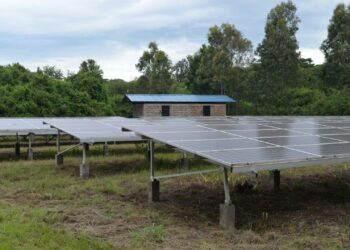
Energy efficiency is a key consideration in eco-conscious architecture, and in 2026, we can expect to see even greater emphasis on reducing energy consumption in buildings. This includes the use of energy-efficient appliances, LED lighting, solar panels, and smart home technology to monitor and control energy usage. By incorporating these features into buildings, architects can create spaces that are not only environmentally friendly but also cost-effective to operate.
Water Conservation
Water conservation is another important aspect of eco-conscious architecture, and in 2026, we can expect to see more buildings designed with features that reduce water consumption. This includes the use of low-flow fixtures, rainwater harvesting systems, and greywater recycling. By incorporating these features into buildings, architects can help to reduce the strain on local water supplies and create more sustainable living spaces.
Urban Farming
Urban farming is a growing trend in sustainable living, and in 2026, we can expect to see more buildings designed with space for growing food. This includes rooftop gardens, vertical farms, and community gardens. By incorporating urban farming into buildings, architects can help to promote local food production, reduce food miles, and create a more resilient food system.
Biophilic Design
Biophilic design is a concept that focuses on incorporating nature into the built environment, and in 2026, we can expect to see more buildings designed with biophilic features. This includes elements such as green walls, indoor plants, and natural materials. By incorporating biophilic design into buildings, architects can help to improve occupant health and well-being, reduce stress, and create more sustainable living spaces.
Conclusion
In conclusion, the future of sustainable living is bright, with eco-conscious architecture trends in 2026 set to revolutionize the way we design and build buildings. From green building materials to passive design, energy efficiency, water conservation, urban farming, and biophilic design, architects are embracing a more sustainable approach to creating spaces that are not only environmentally friendly but also comfortable, healthy, and cost-effective to operate. By incorporating these trends into buildings, architects can help to create a more sustainable future for generations to come.
References:
1. https://www.archdaily.com/964407/the-future-of-sustainable-architecture-trends-for-2025
2. https://www.worldgbc.org/news-media/future-sustainable-buildings-what-will-2025-look