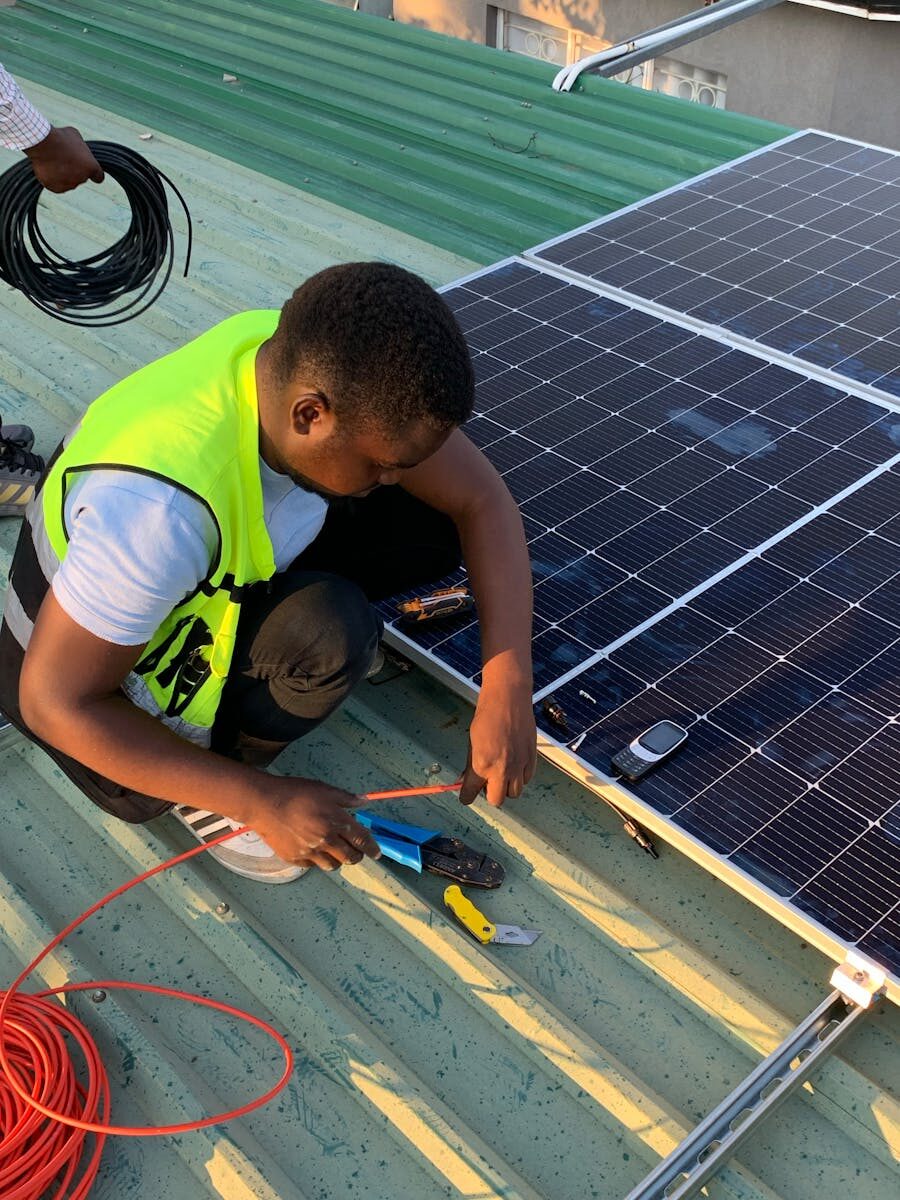
Harnessing the Power of the Sun: Revolutionizing Heating and Cooling with Solar Technology
As the world continues to face the challenges of climate change and rising energy costs, the need for sustainable and efficient heating and cooling solutions is more pressing than ever. One technology that has emerged as a game-changer in this field is solar energy. By harnessing the power of the sun, we can revolutionize the way we heat and cool our homes and buildings, reducing our carbon footprint and saving money in the process.
The Basics of Solar Heating and Cooling
Solar heating and cooling systems use the sun’s energy to provide heating, cooling, and ventilation for residential and commercial buildings. These systems typically consist of solar collectors, which capture the sun’s rays and convert them into usable heat or electricity. The collected energy can then be used to provide hot water, space heating, or air conditioning.
There are two main types of solar heating and cooling systems: passive and active. Passive systems rely on natural processes like convection and radiation to distribute heat, while active systems use pumps or fans to circulate air or water through the system.
The Benefits of Solar Heating and Cooling
There are numerous benefits to using solar heating and cooling systems. One of the most obvious benefits is the environmental impact. By using renewable energy sources like the sun, we can reduce our reliance on fossil fuels and lower our carbon emissions. This can help combat climate change and reduce air pollution.
Another benefit of solar heating and cooling systems is cost savings. While the initial investment in solar technology can be higher than traditional heating and cooling systems, the long-term savings can be substantial. By generating your own energy from the sun, you can reduce or even eliminate your utility bills, saving you money in the long run.
Common Questions About Solar Heating and Cooling
1. How much does a solar heating and cooling system cost?
The cost of a solar heating and cooling system can vary depending on the size of the system, the type of system, and the location of the installation. On average, a residential solar heating and cooling system can cost anywhere from $10,000 to $20,000. However, there are often incentives and rebates available that can help offset the cost.
2. How efficient are solar heating and cooling systems?
Solar heating and cooling systems can be highly efficient, especially when compared to traditional heating and cooling systems. By using the sun’s energy directly, these systems can provide consistent and reliable heating and cooling without the need for fossil fuels. This can result in lower energy bills and a smaller carbon footprint.
3. Are solar heating and cooling systems reliable?
Yes, solar heating and cooling systems are generally very reliable. With proper maintenance and installation, these systems can provide consistent heating and cooling for many years. In fact, many solar heating and cooling systems come with warranties that guarantee their performance for a certain period of time.
Conclusion
Solar heating and cooling systems have the potential to revolutionize the way we heat and cool our homes and buildings. By harnessing the power of the sun, we can reduce our carbon footprint, save money on energy bills, and create a more sustainable future for generations to come.
As the technology continues to improve and become more affordable, we can expect to see an increase in the adoption of solar heating and cooling systems around the world. By investing in solar technology now, we can help create a cleaner, more efficient, and more sustainable future for all.
So why wait? Consider harnessing the power of the sun for your heating and cooling needs today!