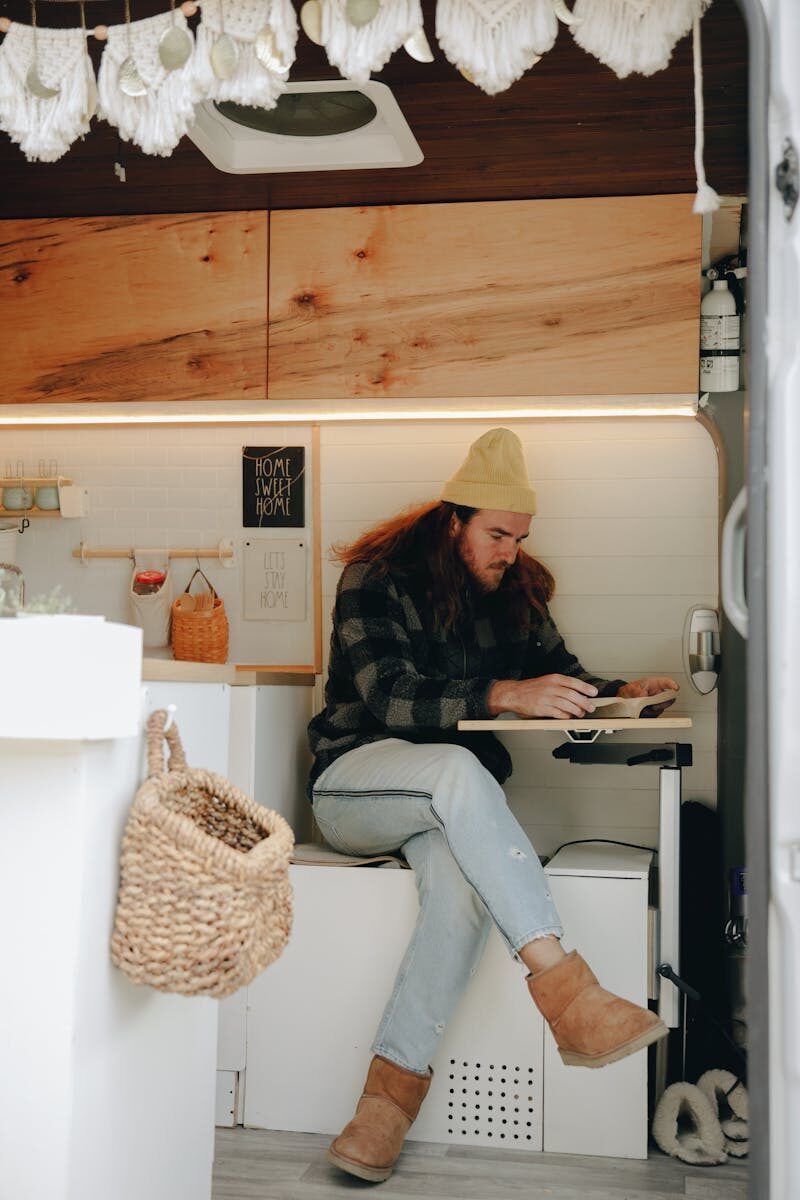
Blueprint for a Greener Tomorrow: Building a Sustainable Tiny Home
In recent years, the tiny home movement has gained significant popularity as people seek to downsize their living spaces and reduce their environmental footprint. Tiny homes are not only affordable and efficient but also offer a sustainable way of living. By incorporating eco-friendly materials and energy-efficient design elements, tiny homes can contribute to a greener tomorrow. In this article, we will explore the blueprint for building a sustainable tiny home and how you can take steps towards a more environmentally friendly lifestyle.
Benefits of Tiny Homes
Before delving into the specifics of building a sustainable tiny home, it’s important to understand the benefits of living in a tiny house. Tiny homes are typically less than 500 square feet in size, making them more affordable and easier to maintain than traditional homes. They also consume less energy and resources, making them a more sustainable housing option.
Additionally, tiny homes promote a minimalist lifestyle, encouraging residents to declutter and focus on the essentials. This can lead to reduced stress and a greater sense of freedom. By living in a tiny home, you can simplify your life and prioritize what truly matters to you.
Choosing Eco-Friendly Materials
When building a sustainable tiny home, it’s important to choose eco-friendly materials that have a minimal impact on the environment. Recycled materials, such as reclaimed wood and salvaged metal, are a great option for building a tiny home. These materials not only reduce waste but also add character and charm to your home.
Additionally, you can opt for sustainable building materials, such as bamboo flooring, cork insulation, and low-VOC paint. These materials are renewable, non-toxic, and energy-efficient, making them an ideal choice for a sustainable tiny home. By using eco-friendly materials in your construction, you can reduce your environmental footprint and create a healthier living space.
Energy-Efficient Design
Another important aspect of building a sustainable tiny home is incorporating energy-efficient design elements. By maximizing natural light, insulating your home properly, and using energy-efficient appliances, you can reduce your energy consumption and lower your utility bills.
For example, installing double-paned windows and a high-efficiency HVAC system can help regulate temperature and reduce heating and cooling costs. Additionally, using solar panels or a wind turbine can generate renewable energy and further reduce your reliance on the grid. By designing your tiny home with energy efficiency in mind, you can create a more sustainable living space.
Water Conservation
In addition to energy efficiency, water conservation is another important consideration when building a sustainable tiny home. By installing low-flow fixtures, using rainwater collection systems, and incorporating greywater recycling, you can minimize water waste and reduce your environmental impact.
For example, a composting toilet can eliminate the need for water-intensive flushing and create nutrient-rich compost for your garden. Similarly, a rainwater harvesting system can capture and store rainwater for irrigation, reducing your reliance on municipal water sources. By implementing water conservation strategies in your tiny home, you can contribute to a more sustainable water future.
Creating a Sustainable Lifestyle
Building a sustainable tiny home is just the first step towards a greener tomorrow. To truly embrace a sustainable lifestyle, it’s important to consider your daily habits and consumption patterns. By reducing waste, conserving resources, and supporting eco-friendly practices, you can make a positive impact on the environment.
For example, you can grow your own food in a small garden or support local farmers and artisans through sustainable purchasing. You can also reduce your carbon footprint by biking or walking instead of driving and composting organic waste to reduce landfill waste. By making small changes in your daily life, you can live more sustainably and inspire others to do the same.
Conclusion
Building a sustainable tiny home is a rewarding and fulfilling experience that can lead to a greener tomorrow. By choosing eco-friendly materials, incorporating energy-efficient design elements, conserving water, and embracing a sustainable lifestyle, you can create a more environmentally friendly living space. Whether you’re looking to downsize, reduce your environmental footprint, or simplify your life, a tiny home offers a unique opportunity to live more sustainably. By following this blueprint for a greener tomorrow, you can build a sustainable tiny home that reflects your values and contributes to a more sustainable future.
Are you ready to take the next step towards a greener tomorrow? Start by building your own sustainable tiny home and join the growing movement towards sustainable living.