Building a Sustainable Future: Eco-Friendly Construction Practices for Builders
In today’s world, the construction industry plays a significant role in shaping the future of our planet. With the increasing awareness of the environmental impact of traditional construction practices, builders are turning towards more eco-friendly solutions to create sustainable buildings. By incorporating green building practices, builders can reduce their carbon footprint, minimize waste, and create healthier living spaces for occupants. In this article, we will explore some of the key eco-friendly construction practices that builders can adopt to build a sustainable future.
### Sustainable Materials
One of the most important aspects of eco-friendly construction is the use of sustainable materials. Builders can choose materials that are renewable, recycled, or locally sourced to reduce the environmental impact of their projects. Some examples of sustainable materials include bamboo, reclaimed wood, recycled glass, and recycled metal. These materials not only help conserve natural resources but also have a lower carbon footprint compared to traditional building materials.
### Energy-Efficient Design
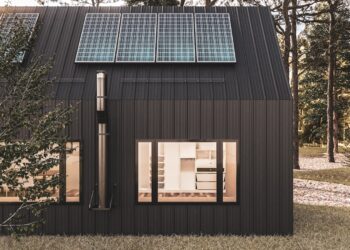
Another crucial aspect of eco-friendly construction is energy-efficient design. Builders can incorporate features such as solar panels, energy-efficient appliances, and high-performance insulation to reduce energy consumption and lower utility costs for occupants. By designing buildings that are energy-efficient, builders can help reduce greenhouse gas emissions and combat climate change. Additionally, energy-efficient buildings provide a more comfortable living environment for occupants and contribute to overall sustainability.
### Water Conservation
Water conservation is another key consideration for eco-friendly construction. Builders can implement water-saving fixtures, rainwater harvesting systems, and drought-resistant landscaping to reduce water usage and minimize water waste. By conserving water, builders can help protect natural water sources and ensure a sustainable water supply for future generations. Additionally, water-efficient buildings are more resilient to droughts and water shortages, making them a more sustainable choice in the long run.
### Waste Reduction
Reducing waste is an essential aspect of eco-friendly construction. Builders can minimize waste by using prefabricated materials, recycling construction waste, and implementing construction waste management plans. By reducing waste, builders can lower their environmental impact, save money on disposal costs, and create a cleaner and healthier construction site. Additionally, reducing waste helps conserve natural resources and minimize the need for landfill space, contributing to a more sustainable construction industry.
### Green Certifications
Builders can also pursue green certifications to demonstrate their commitment to sustainability. Certifications such as LEED (Leadership in Energy and Environmental Design) and BREEAM (Building Research Establishment Environmental Assessment Method) recognize buildings that meet specific green building criteria. By obtaining green certifications, builders can attract environmentally conscious clients, differentiate themselves in the market, and contribute to a more sustainable built environment. Additionally, green certifications help builders track and measure their sustainability efforts, making it easier to identify areas for improvement.
### Community Engagement
Engaging with the community is another important aspect of eco-friendly construction. Builders can involve local residents, stakeholders, and organizations in the planning and design process to ensure that projects meet the needs and priorities of the community. By engaging with the community, builders can build trust, foster positive relationships, and create a sense of ownership among residents. Additionally, community engagement helps builders address social and environmental concerns, promote sustainable development, and create a more inclusive and equitable built environment.
### Conclusion
In conclusion, building a sustainable future requires a commitment to eco-friendly construction practices. By using sustainable materials, designing energy-efficient buildings, conserving water, reducing waste, pursuing green certifications, and engaging with the community, builders can create environmentally friendly and socially responsible projects. Sustainable construction not only benefits the environment but also provides economic, social, and health benefits for occupants and communities. By adopting eco-friendly practices, builders can help shape a more sustainable future for generations to come.