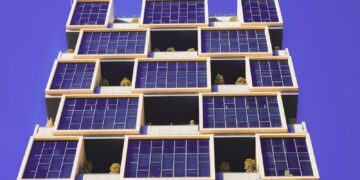
In today’s rapidly growing urban environments, the need for sustainable electricity solutions is more pressing than ever. As cities continue to expand and populations increase, the demand for energy also rises, leading to higher carbon emissions and environmental impact. However, with advancements in technology and a growing focus on sustainability, there are several innovative solutions that can help empower urban living and create a brighter future for all.
The Importance of Sustainable Electricity Solutions
Sustainable electricity solutions are crucial for several reasons. Firstly, they help reduce carbon emissions and mitigate the effects of climate change. By utilizing renewable energy sources such as solar, wind, and hydro power, cities can significantly decrease their carbon footprint and transition towards a more sustainable energy future.
Secondly, sustainable electricity solutions help improve air quality and public health. Traditional energy sources like coal and oil are major contributors to air pollution, which can have detrimental effects on respiratory health and overall well-being. By transitioning to cleaner energy sources, cities can create a healthier environment for their residents.
Finally, sustainable electricity solutions can also help reduce energy costs and create economic opportunities. Renewable energy sources are becoming increasingly cost-effective and can help cities save money in the long run. Additionally, investing in renewable energy infrastructure can create jobs and stimulate economic growth in urban areas.
Innovative Solutions for Urban Living
There are several innovative solutions that can help empower urban living and promote sustainability. One of the most promising technologies is solar power. Solar panels can be installed on rooftops, parking lots, and other urban spaces to generate clean and renewable energy. With advancements in solar technology, it has become more efficient and affordable, making it an attractive option for urban areas.
Another sustainable electricity solution is wind power. Wind turbines can be installed in urban areas to harness the power of the wind and generate electricity. While wind power may not be as feasible in densely populated cities, it can be a viable option for suburban and rural areas. Wind power is also cost-effective and environmentally friendly, making it a valuable addition to any urban energy portfolio.
Hydro power is another renewable energy source that can be harnessed for sustainable electricity solutions. By utilizing the power of flowing water, cities can generate clean energy without producing harmful emissions. Hydro power can be particularly useful in regions with abundant water resources, such as near rivers or dams. It is a reliable and efficient energy source that can help cities meet their electricity needs in a sustainable manner.
Implementing Sustainable Electricity Solutions
Implementing sustainable electricity solutions in urban areas requires careful planning and coordination. Cities must consider factors such as energy demand, infrastructure requirements, and regulatory considerations when developing their energy strategy. By conducting a thorough assessment of their energy needs and resources, cities can identify the most suitable renewable energy sources for their specific context.
One key aspect of implementing sustainable electricity solutions is investing in energy storage technology. Energy storage systems can help cities store excess energy generated from renewable sources and use it during times of high demand. This can help ensure a reliable and stable energy supply, even when renewable sources are not actively generating electricity.
Cities can also promote sustainability by incentivizing energy efficiency measures and promoting renewable energy adoption among residents and businesses. By offering subsidies, tax incentives, and other financial incentives, cities can encourage the transition to clean energy and help create a more sustainable urban environment.
Addressing Common Questions
As cities explore sustainable electricity solutions, there are several common questions that may arise. One frequently asked question is whether renewable energy sources can provide enough electricity to meet urban energy demand. While it is true that renewable energy sources have limitations, advancements in technology and infrastructure have made it possible to generate a significant portion of electricity from renewable sources. By combining multiple renewable energy sources and implementing energy storage systems, cities can meet their energy needs in a sustainable manner.
Another common question is whether sustainable electricity solutions are cost-effective. While there may be upfront costs associated with transitioning to renewable energy, the long-term benefits far outweigh the initial investment. Renewable energy sources are becoming increasingly affordable and can help cities save money on energy costs in the long run. Additionally, the environmental and health benefits of sustainable electricity solutions can have a positive impact on overall quality of life and well-being.
Conclusion
In conclusion, empowering urban living through sustainable electricity solutions is essential for creating a brighter future for all. By harnessing the power of renewable energy sources such as solar, wind, and hydro power, cities can reduce carbon emissions, improve air quality, and create economic opportunities. Implementing sustainable electricity solutions requires careful planning, investment in energy storage technology, and promotion of renewable energy adoption among residents and businesses. By addressing common questions and concerns, cities can pave the way for a more sustainable and resilient urban environment. With a focus on sustainability and innovation, cities can lead the way towards a cleaner, greener, and brighter future for generations to come.