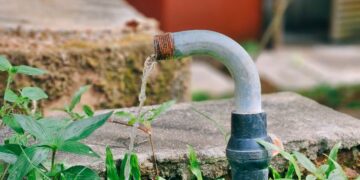
Revolutionizing Rural Water Management: Eco-Friendly Wastewater Solutions for Sustainable Communities
Rural communities around the world face unique challenges when it comes to managing their water resources. Limited access to infrastructure, lack of funding, and environmental concerns all play a role in the struggle to provide clean water and sanitation services to residents. However, there are innovative solutions that can help revolutionize rural water management, making it more sustainable and eco-friendly.
The Importance of Sustainable Water Management
Water is a precious resource that is essential for life. In rural communities, access to clean water is vital for drinking, cooking, and sanitation. Without proper water management practices, communities can suffer from waterborne diseases, pollution, and scarcity. Sustainable water management is crucial for ensuring that rural communities have access to clean, safe water for generations to come.
Challenges Faced by Rural Communities
Rural communities face a variety of challenges when it comes to managing their water resources. Limited access to infrastructure such as sewage treatment plants and water distribution systems can make it difficult to provide clean water and sanitation services to residents. In addition, lack of funding and resources can further complicate the situation, leaving communities struggling to meet their water needs.
Environmental Concerns
Environmental concerns also play a significant role in rural water management. Pollution from agricultural runoff, industrial waste, and untreated sewage can contaminate water sources, posing health risks to residents and damaging ecosystems. Climate change is also exacerbating water scarcity in many rural areas, making it even more important to implement sustainable water management practices.
Eco-Friendly Wastewater Solutions
One of the key ways to revolutionize rural water management is through the implementation of eco-friendly wastewater solutions. These innovative technologies can help communities treat and reuse wastewater in a sustainable manner, reducing pollution, conserving water, and protecting the environment. Here are some eco-friendly wastewater solutions that can help transform rural water management:
Constructed Wetlands
Constructed wetlands are artificial wetland systems that mimic the natural processes of water purification. Wastewater is directed through a series of wetland cells filled with plants, rocks, and soil, where it undergoes biological and chemical processes that remove contaminants. Constructed wetlands are a cost-effective and environmentally friendly way to treat wastewater, and they can be tailored to meet the specific needs of rural communities.
Rainwater Harvesting
Rainwater harvesting is another eco-friendly wastewater solution that can help rural communities conserve water and reduce their reliance on traditional water sources. By collecting and storing rainwater from rooftops and other surfaces, communities can supplement their water supply for irrigation, drinking, and sanitation. Rainwater harvesting systems can be simple and inexpensive to implement, making them a practical option for rural areas with limited resources.
Biogas Digesters
Biogas digesters are another innovative technology that can help rural communities manage their wastewater in an eco-friendly way. These systems use anaerobic digestion to break down organic waste, such as human and animal waste, to produce biogas and nutrient-rich sludge. The biogas can be used as a renewable energy source for cooking and heating, while the sludge can be used as a fertilizer for crops. Biogas digesters not only treat wastewater but also provide valuable resources for sustainable agriculture and energy production.
Benefits of Eco-Friendly Wastewater Solutions
Implementing eco-friendly wastewater solutions in rural communities can have a variety of benefits, both for the environment and for residents. Some of the key advantages of these technologies include:
Environmental Protection
Eco-friendly wastewater solutions help protect water sources from pollution, preserving ecosystems and wildlife habitats. By treating wastewater in a sustainable manner, communities can reduce their impact on the environment and contribute to conservation efforts.
Water Conservation
By reusing treated wastewater for irrigation, landscaping, and other non-potable uses, communities can conserve valuable water resources and reduce their reliance on freshwater sources. This can help mitigate water scarcity and ensure long-term water security for rural areas.
Cost Savings
Many eco-friendly wastewater solutions are cost-effective and can help communities save money on water treatment and disposal costs. By investing in sustainable technologies, communities can reduce their operating expenses and improve their financial sustainability in the long run.
Common Questions About Eco-Friendly Wastewater Solutions
Are eco-friendly wastewater solutions suitable for all rural communities?
While eco-friendly wastewater solutions can be beneficial for many rural communities, their suitability may vary depending on factors such as climate, soil conditions, and water availability. It is important to conduct a thorough assessment of the local context and consult with experts to determine the most appropriate technologies for a specific community.
How can communities finance the implementation of eco-friendly wastewater solutions?
Financing the implementation of eco-friendly wastewater solutions can be a challenge for rural communities with limited resources. However, there are various funding sources available, including government grants, loans, and subsidies, as well as private sector partnerships and community fundraising efforts. It is important for communities to explore all available financing options and develop a sustainable financial plan for their wastewater projects.
What are the potential risks associated with eco-friendly wastewater solutions?
While eco-friendly wastewater solutions offer many benefits, there are also potential risks to consider. For example, improper design or operation of these technologies can lead to system failure, water contamination, and health hazards. It is important for communities to work with qualified professionals and adhere to best practices to minimize risks and ensure the successful implementation of eco-friendly wastewater solutions.
Conclusion
Revolutionizing rural water management through eco-friendly wastewater solutions is essential for building sustainable and resilient communities. By implementing innovative technologies such as constructed wetlands, rainwater harvesting, and biogas digesters, rural areas can improve their water quality, conserve resources, and protect the environment. It is important for communities to prioritize sustainable water management practices and invest in eco-friendly solutions to ensure a bright future for generations to come.