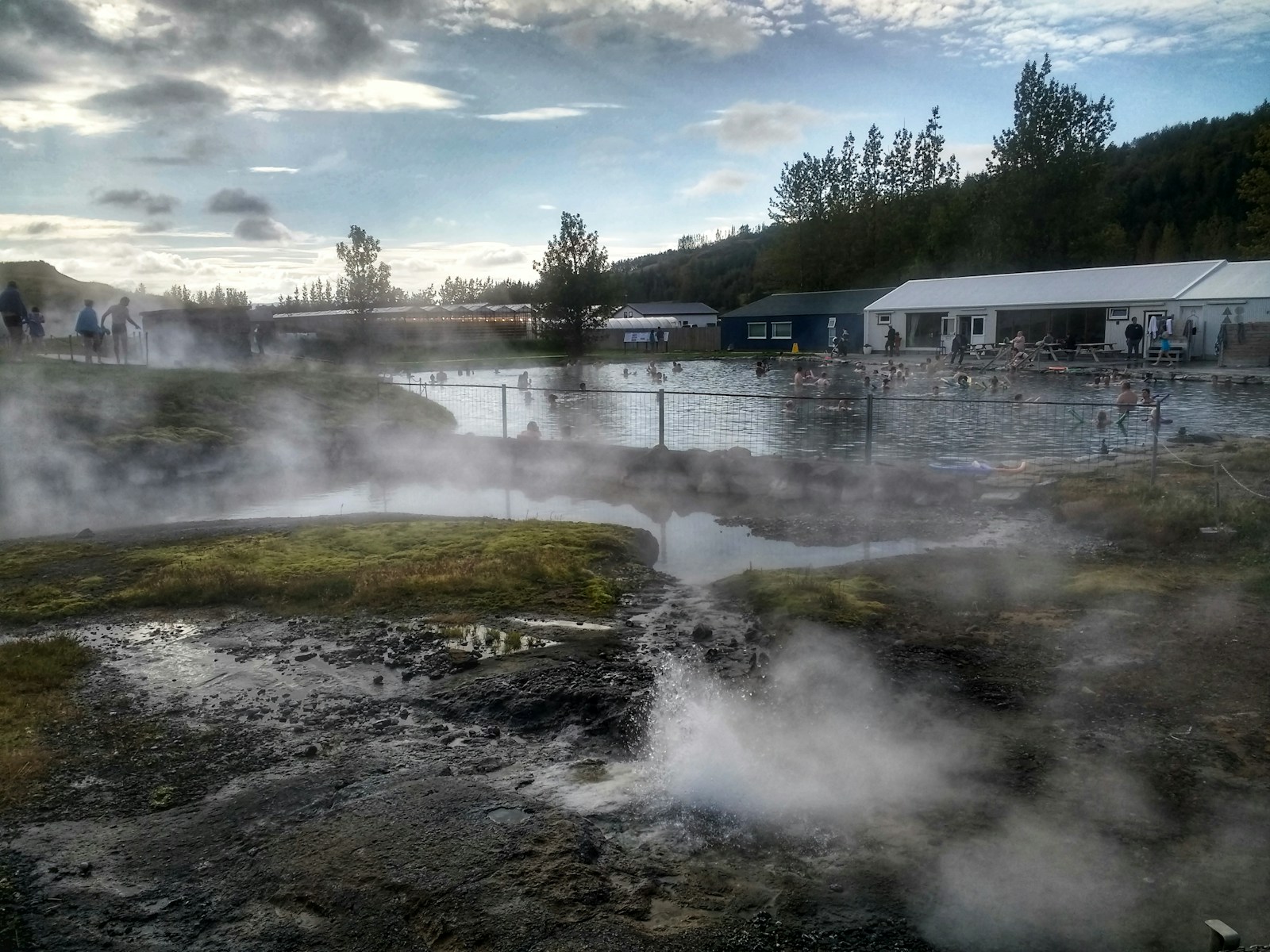
Unlocking the Power: Harnessing Geothermal Energy for Sustainable Home Heating and Cooling
As the world continues to grapple with the effects of climate change, the search for sustainable sources of energy has become more urgent than ever. Geothermal energy, a virtually untapped resource, holds great promise for providing clean, renewable energy for heating and cooling homes. In this article, we will explore the benefits of geothermal energy, how it works, and how homeowners can harness its power for sustainable home heating and cooling.
The Benefits of Geothermal Energy
Geothermal energy is a renewable energy source that is generated from the heat stored beneath the Earth’s surface. Unlike fossil fuels, which are finite and contribute to greenhouse gas emissions, geothermal energy is clean, abundant, and sustainable. By harnessing the power of geothermal energy, homeowners can reduce their carbon footprint and lower their energy bills.
One of the main benefits of geothermal energy is its consistency. While solar and wind energy can be intermittent, geothermal energy is available 24/7, making it a reliable source of energy for heating and cooling homes. Additionally, geothermal energy systems have a long lifespan, with many systems lasting for 20 years or more with minimal maintenance.
How Geothermal Energy Works
Geothermal energy works by harnessing the heat stored beneath the Earth’s surface. This heat is generated by the radioactive decay of minerals in the Earth’s crust and is constantly replenished by the Earth’s core. To tap into this heat, a geothermal heat pump system is used.
A geothermal heat pump system consists of three main components: a heat pump unit, a ground loop, and a distribution system. The heat pump unit transfers heat from the ground loop to the distribution system, which then distributes the heat throughout the home. In the summer, the process is reversed, with the heat pump unit transferring heat from the home to the ground loop, providing cooling for the home.
How to Harness Geothermal Energy for Home Heating and Cooling
There are several ways homeowners can harness geothermal energy for home heating and cooling. One of the most common methods is to install a ground source heat pump system. This system consists of a series of pipes buried underground that circulate a fluid to absorb heat from the ground in the winter and release heat into the ground in the summer.
Another option is to install a direct use geothermal system, which involves tapping directly into a geothermal reservoir to heat or cool a home. While this method is more complex and costly, it can provide more efficient heating and cooling than a ground source heat pump system.
Common Questions About Geothermal Energy
Is Geothermal Energy Expensive to Install?
While the upfront cost of installing a geothermal energy system can be higher than traditional heating and cooling systems, homeowners can recoup their investment through energy savings over time. Additionally, there are federal and state incentives available to help offset the cost of installing a geothermal energy system.
Is Geothermal Energy Suitable for Every Home?
Geothermal energy systems can be installed in most homes, but certain factors such as lot size, soil conditions, and local regulations may affect the feasibility of installing a system. It is best to consult with a qualified geothermal energy contractor to determine if a geothermal energy system is right for your home.
How Does Geothermal Energy Compare to Other Renewable Energy Sources?
Geothermal energy is a reliable and consistent source of energy, making it a great complement to other renewable energy sources such as solar and wind. By combining geothermal energy with other renewable energy sources, homeowners can create a more sustainable and resilient energy system for their homes.
Conclusion
Geothermal energy offers a sustainable and reliable source of energy for heating and cooling homes. By harnessing the power of geothermal energy, homeowners can reduce their carbon footprint, lower their energy bills, and create a more sustainable home environment. With the right system in place, geothermal energy can provide clean, renewable energy for years to come.
For more information on how to harness geothermal energy for sustainable home heating and cooling, contact a qualified geothermal energy contractor in your area.
References
1. U.S. Department of Energy. “Geothermal Energy.” https://www.energy.gov/eere/geothermal/geothermal-energy
2. Geothermal Exchange Organization. “What is Geothermal Heating and Cooling?” https://www.geoexchange.org/about-geothermal/what-is-geothermal-heating-and-cooling/
3. International Geothermal Association. “Geothermal Energy Basics.” https://www.geothermal-energy.org/what_is_geothermal_energy.html