Sky High Harvest: Transforming Urban Living with Vertical Farming
As urban populations continue to grow, the demand for fresh, locally grown produce is also on the rise. Traditional farming methods are often unable to keep up with this demand, leading to long transportation times and carbon emissions from shipping produce from rural areas to cities. This is where vertical farming comes in, offering a sustainable solution to urban food production. One company at the forefront of this movement is Sky High Harvest.
What is Vertical Farming?
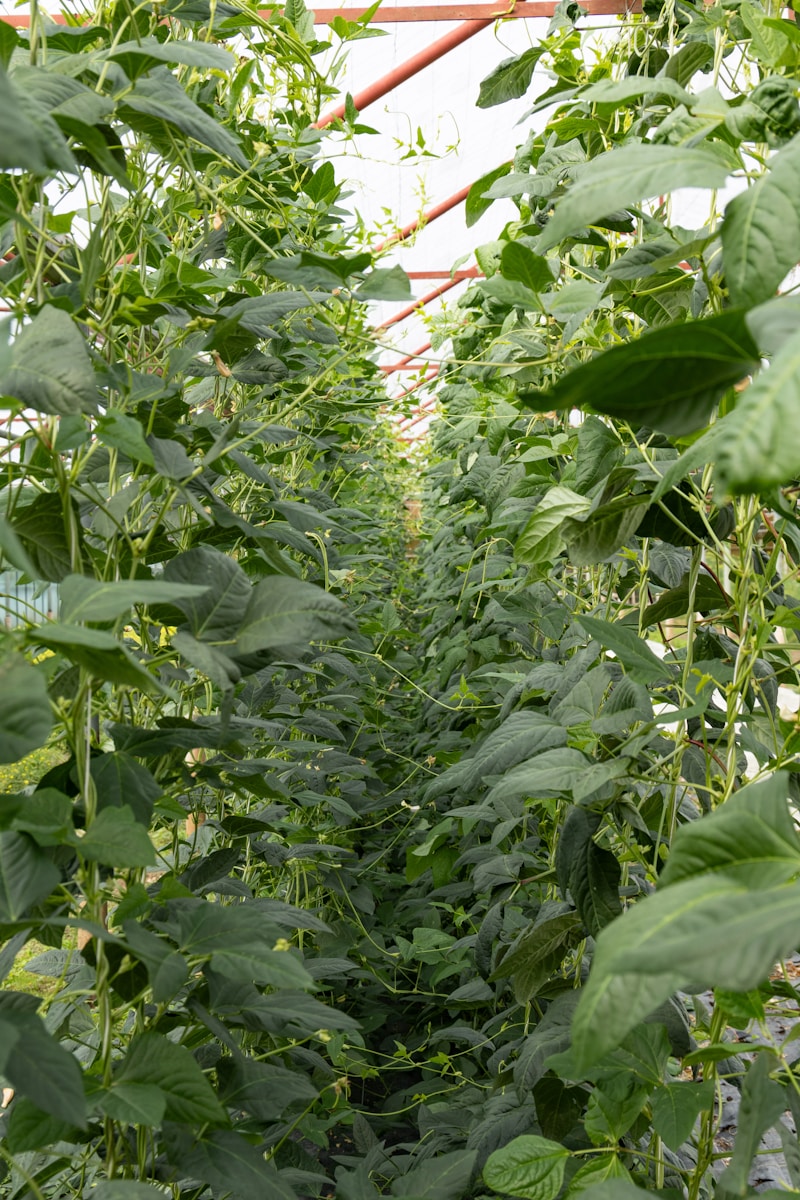
Vertical farming is the practice of growing crops in vertically stacked layers, often in controlled environments like warehouses or skyscrapers. This method of farming uses soilless growing techniques such as hydroponics or aeroponics, as well as artificial lighting and climate control systems to optimize plant growth. By utilizing vertical space, vertical farms are able to produce a high volume of crops in a small footprint, making them ideal for urban environments where land is limited.
The Benefits of Vertical Farming
There are many benefits to vertical farming, both for the environment and for consumers. One of the main advantages is the reduced need for land and water compared to traditional farming methods. Vertical farms also eliminate the need for harmful pesticides and herbicides, as crops are grown in a controlled environment that minimizes the risk of pests and diseases. Additionally, vertical farming can significantly reduce transportation times and costs, leading to fresher produce for consumers and lower carbon emissions from shipping.
Another key benefit of vertical farming is its ability to produce crops year-round, regardless of the season or climate. This means that urban dwellers can enjoy fresh, locally grown produce even in the dead of winter, when traditional farms may be unable to grow anything. Vertical farming also allows for greater control over the growing process, resulting in higher yields and more consistent quality.
Sky High Harvest: A Leader in Vertical Farming
Sky High Harvest is a pioneering company in the field of vertical farming, with a mission to transform urban living through sustainable food production. The company operates a network of vertical farms in major cities around the world, using cutting-edge technology to grow a wide variety of crops in a sustainable and environmentally friendly way.
One of the key innovations of Sky High Harvest is its use of modular vertical farming units, which can be easily installed in existing buildings or structures. This allows the company to quickly scale up its operations and bring fresh produce to urban areas where it is needed most. Sky High Harvest also places a strong emphasis on community engagement, working closely with local residents and organizations to provide educational programs and access to fresh, locally grown produce.
Common Questions About Vertical Farming
Is Vertical Farming Sustainable?
Yes, vertical farming is a highly sustainable method of food production. By using soilless growing techniques, artificial lighting, and climate control systems, vertical farms are able to produce a high volume of crops using minimal land and water. Vertical farming also eliminates the need for harmful pesticides and herbicides, reducing the environmental impact of food production.
Is Vertical Farming Cost-Effective?
While the initial investment in vertical farming technology can be high, the long-term cost savings can be significant. Vertical farms are able to produce higher yields in a smaller footprint compared to traditional farms, leading to lower production costs over time. Additionally, vertical farming can reduce transportation costs and emissions, making it a more cost-effective option for urban areas.
What Crops Can be Grown in Vertical Farms?
Vertical farms are able to grow a wide variety of crops, including leafy greens, herbs, fruits, and vegetables. Some crops are better suited to vertical farming than others, depending on their size, growth requirements, and market demand. Leafy greens like lettuce and spinach are commonly grown in vertical farms due to their fast growth cycle and high demand in urban markets.
Conclusion
Vertical farming is revolutionizing the way we think about food production in urban areas. By utilizing vertical space and cutting-edge technology, companies like Sky High Harvest are able to produce fresh, locally grown produce in a sustainable and environmentally friendly way. The benefits of vertical farming are numerous, from reducing land and water usage to eliminating harmful pesticides and herbicides. As urban populations continue to grow, vertical farming offers a promising solution to the challenges of feeding city dwellers in a sustainable and efficient manner.