Building a Better Future: The Promise of Sustainable Livestock Farming
When it comes to addressing the environmental challenges we face today, sustainable livestock farming has emerged as a promising solution. By adopting practices that prioritize the well-being of animals, the health of the planet, and the needs of future generations, sustainable livestock farming offers a path towards a more sustainable and resilient food system.
The Importance of Sustainable Livestock Farming
As the global population continues to grow, the demand for animal products such as meat, dairy, and eggs is on the rise. However, traditional livestock farming practices are often associated with environmental degradation, animal welfare concerns, and public health risks. Sustainable livestock farming seeks to address these issues by promoting practices that are environmentally friendly, socially responsible, and economically viable.
Environmental Benefits of Sustainable Livestock Farming
One of the key benefits of sustainable livestock farming is its potential to reduce the environmental impact of animal agriculture. By implementing practices such as rotational grazing, conservation tillage, and nutrient management, sustainable livestock farmers can minimize their carbon footprint, protect water quality, and preserve biodiversity.
Animal Welfare in Sustainable Livestock Farming
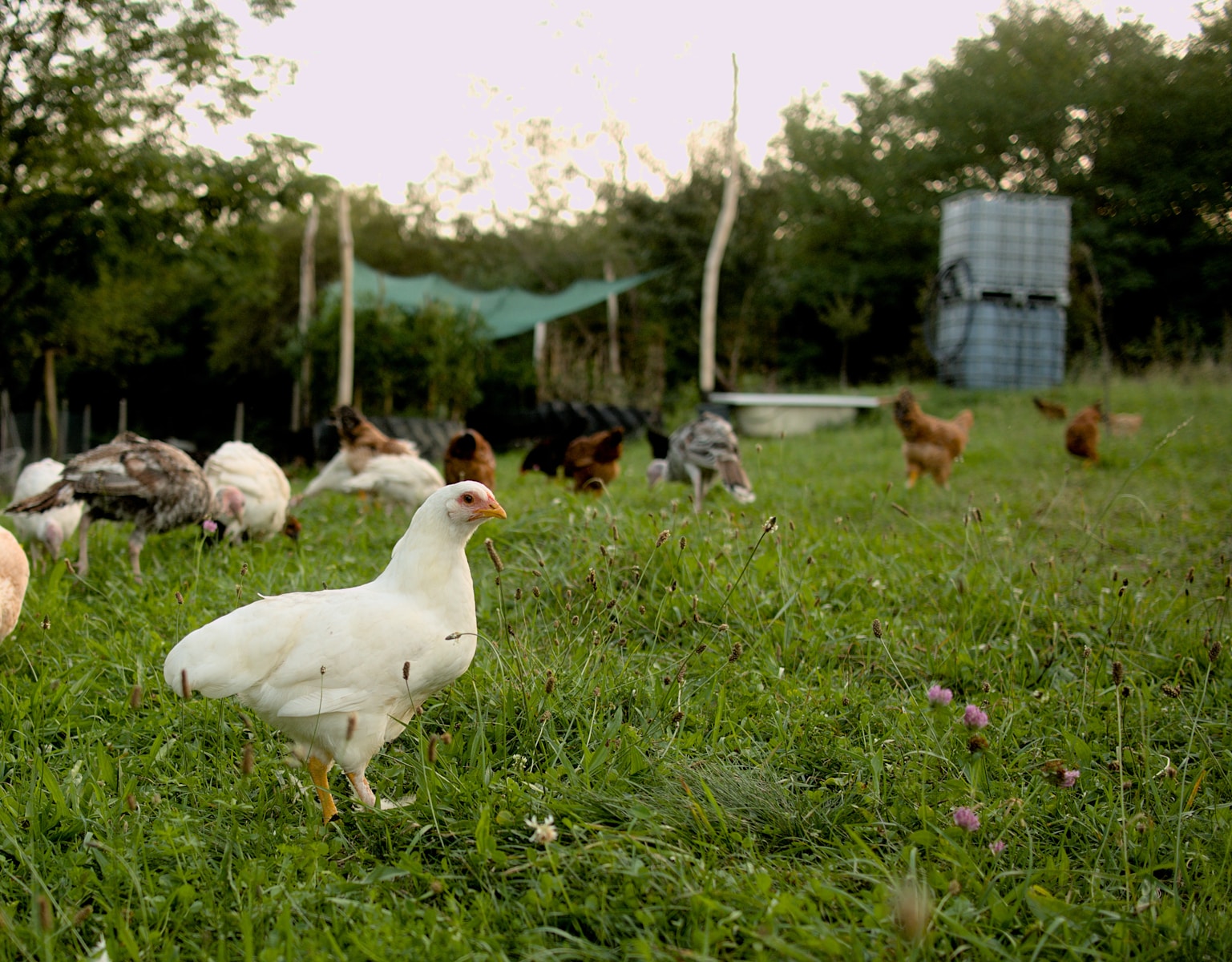
In addition to its environmental benefits, sustainable livestock farming also prioritizes the well-being of animals. By providing access to pasture, clean water, and appropriate shelter, sustainable livestock farmers can ensure that their animals are able to express natural behaviors, live in comfortable conditions, and avoid unnecessary suffering.
Common Questions About Sustainable Livestock Farming
As interest in sustainable livestock farming continues to grow, many people have questions about what it entails and how it can contribute to a better future. Here are some common questions and answers about sustainable livestock farming:
What is sustainable livestock farming?
Sustainable livestock farming is a holistic approach to animal agriculture that seeks to minimize environmental impact, promote animal welfare, and support the long-term viability of farming operations. This can include practices such as rotational grazing, cover cropping, and integrated pest management.
How does sustainable livestock farming benefit the environment?
Sustainable livestock farming benefits the environment by reducing carbon emissions, protecting water quality, and preserving biodiversity. By implementing practices that promote soil health, water conservation, and wildlife habitat, sustainable livestock farmers can help mitigate the negative impacts of animal agriculture on the environment.
What are the economic benefits of sustainable livestock farming?
While transitioning to sustainable livestock farming practices may require an initial investment, many farmers find that the long-term economic benefits outweigh the costs. By reducing input costs, improving soil fertility, and enhancing animal health, sustainable livestock farming can lead to increased profitability and resilience in the face of changing market conditions.
Challenges and Opportunities in Sustainable Livestock Farming
While sustainable livestock farming holds great promise for building a better future, there are also challenges that must be addressed in order to realize its full potential. Some of the key challenges and opportunities in sustainable livestock farming include:
Scaling up sustainable practices
One of the biggest challenges in sustainable livestock farming is scaling up practices that are environmentally friendly, socially responsible, and economically viable. While many farmers are already implementing sustainable practices on a small scale, there is a need to encourage more widespread adoption of these practices in order to make a meaningful impact on the food system.
Consumer education and awareness
Another challenge in sustainable livestock farming is educating consumers about the benefits of choosing products from sustainable sources. By raising awareness about the environmental, social, and health benefits of sustainable livestock farming, consumers can make more informed choices about the food they eat and support farmers who are committed to sustainability.
Conclusion
As we look towards building a better future for our planet and future generations, sustainable livestock farming offers a promising solution. By adopting practices that prioritize environmental stewardship, animal welfare, and economic viability, sustainable livestock farmers can help create a more sustainable and resilient food system. Through education, awareness, and collaboration, we can work together to support sustainable livestock farming and build a brighter future for all.