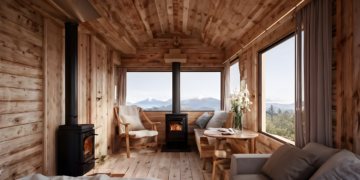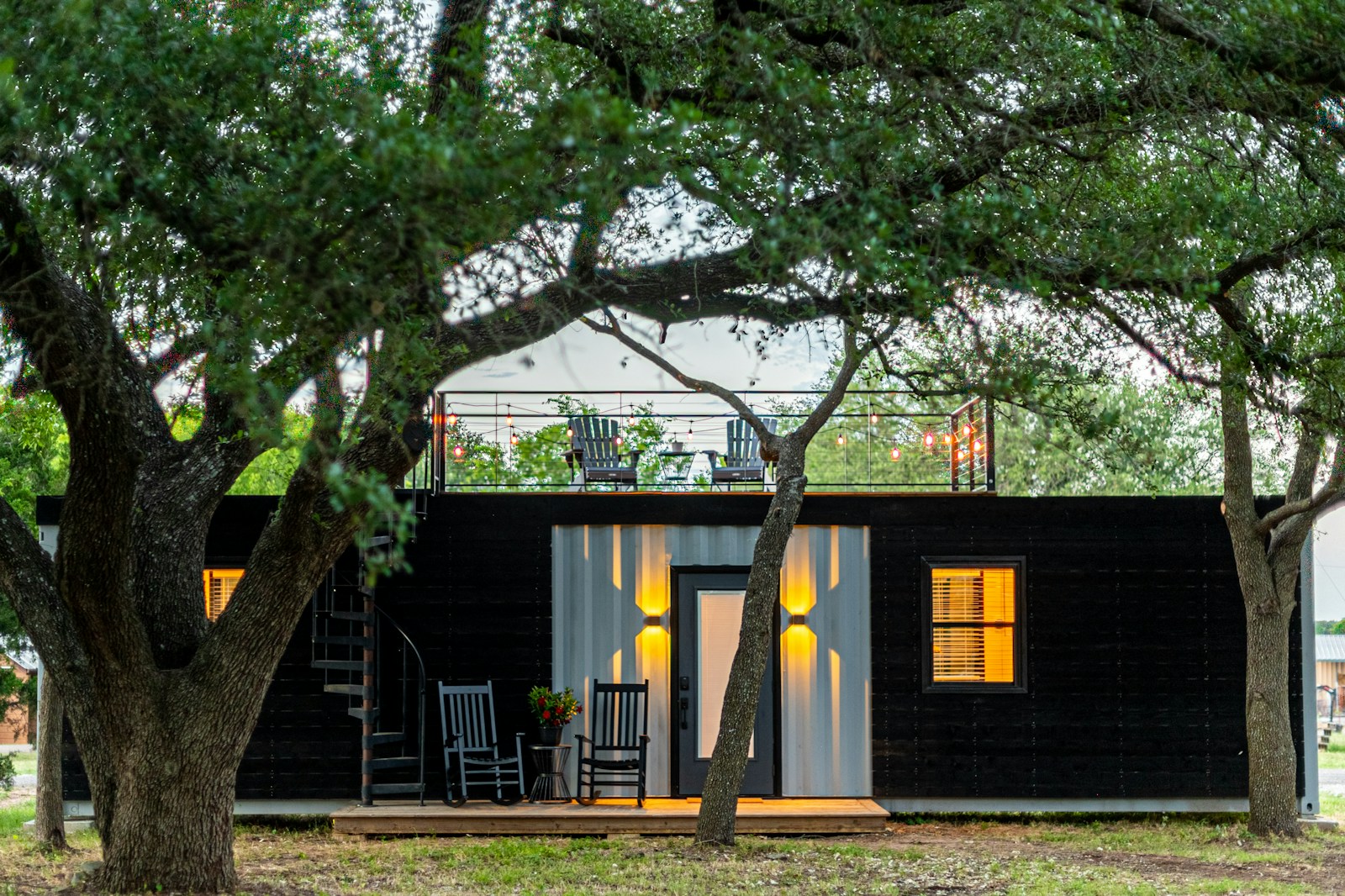
In recent years, there has been a growing trend towards sustainable living and minimalism. People are becoming more conscious of their environmental impact and are seeking ways to reduce their carbon footprint. One of the ways that individuals are embracing this lifestyle is through the creation of tiny homes. These small, eco-friendly dwellings are not only affordable and efficient, but they also offer a more sustainable way of living.
In this article, we will explore the future of living and how creating a sustainable tiny home can contribute to a greener tomorrow. We will discuss the benefits of tiny homes, the challenges of building and living in them, and provide tips on how to make your tiny home more sustainable.
The Benefits of Tiny Homes
There are numerous benefits to living in a tiny home. One of the main advantages is the cost savings. Tiny homes are significantly cheaper to build and maintain than traditional homes, making them a more affordable housing option for many people. Additionally, because of their small size, tiny homes require less energy to heat and cool, resulting in lower utility bills.
Another benefit of tiny homes is their minimal environmental impact. These homes are typically built using sustainable materials and are designed to be energy efficient. By living in a tiny home, you are reducing your carbon footprint and helping to preserve the environment for future generations.
Tiny homes also offer a simpler way of living. With less space to fill, homeowners are forced to declutter and prioritize the things that are truly important to them. This can lead to a more minimalist lifestyle and a greater sense of contentment.
The Challenges of Building and Living in Tiny Homes
While there are many benefits to living in a tiny home, there are also challenges that must be considered. One of the main challenges is the limited space. Living in a tiny home requires careful planning and organization to make the most of the available space. This can be difficult for people who are used to living in larger homes with more room to spread out.
Another challenge of tiny home living is the lack of amenities. Tiny homes are often built on a smaller scale, which means that they may not have all of the luxuries and conveniences of a traditional home. For example, tiny homes may not have a full kitchen or bathroom, which can be a challenge for some people.
Tips for Creating a Sustainable Tiny Home
Despite the challenges, there are ways to make your tiny home more sustainable. One of the most important things you can do is to choose eco-friendly materials for your home. This includes using sustainable wood, recycled materials, and energy-efficient appliances. By choosing sustainable materials, you can reduce your environmental impact and create a healthier living environment.
Another way to make your tiny home more sustainable is to incorporate energy-efficient design principles. This includes maximizing natural light, using passive solar heating, and installing renewable energy sources such as solar panels. By harnessing the power of the sun, you can reduce your reliance on traditional energy sources and lower your utility bills.
In addition to using sustainable materials and energy-efficient design principles, you can also reduce your water usage in a tiny home. This can be done by installing low-flow fixtures, collecting rainwater for irrigation, and using greywater recycling systems. By conserving water, you can further reduce your environmental impact and create a more sustainable living environment.
The Future of Living
As the world continues to grapple with climate change and environmental degradation, the future of living is likely to be more sustainable and eco-friendly. Tiny homes offer a unique opportunity to embrace this future by providing a more sustainable way of living. By building and living in tiny homes, individuals can reduce their carbon footprint, live more simply, and contribute to a greener tomorrow.
In conclusion, creating a sustainable tiny home is an excellent way to embrace a more eco-friendly lifestyle and reduce your environmental impact. By choosing eco-friendly materials, incorporating energy-efficient design principles, and conserving water, you can make your tiny home more sustainable and contribute to a greener tomorrow. Tiny homes offer a simpler, more affordable way of living that can help to create a more sustainable future for all.