Hydroponics 101: A Beginner’s Guide to Growing Success
In recent years, hydroponics has gained popularity as a sustainable and efficient method of growing plants without soil. Whether you are a seasoned gardener looking to try something new or a complete beginner with no prior experience in gardening, hydroponics can be a rewarding and fascinating journey. In this article, we will delve into the basics of hydroponics, discuss the advantages of this growing method, and provide you with essential tips to help you achieve success in your hydroponic garden.
What is Hydroponics?
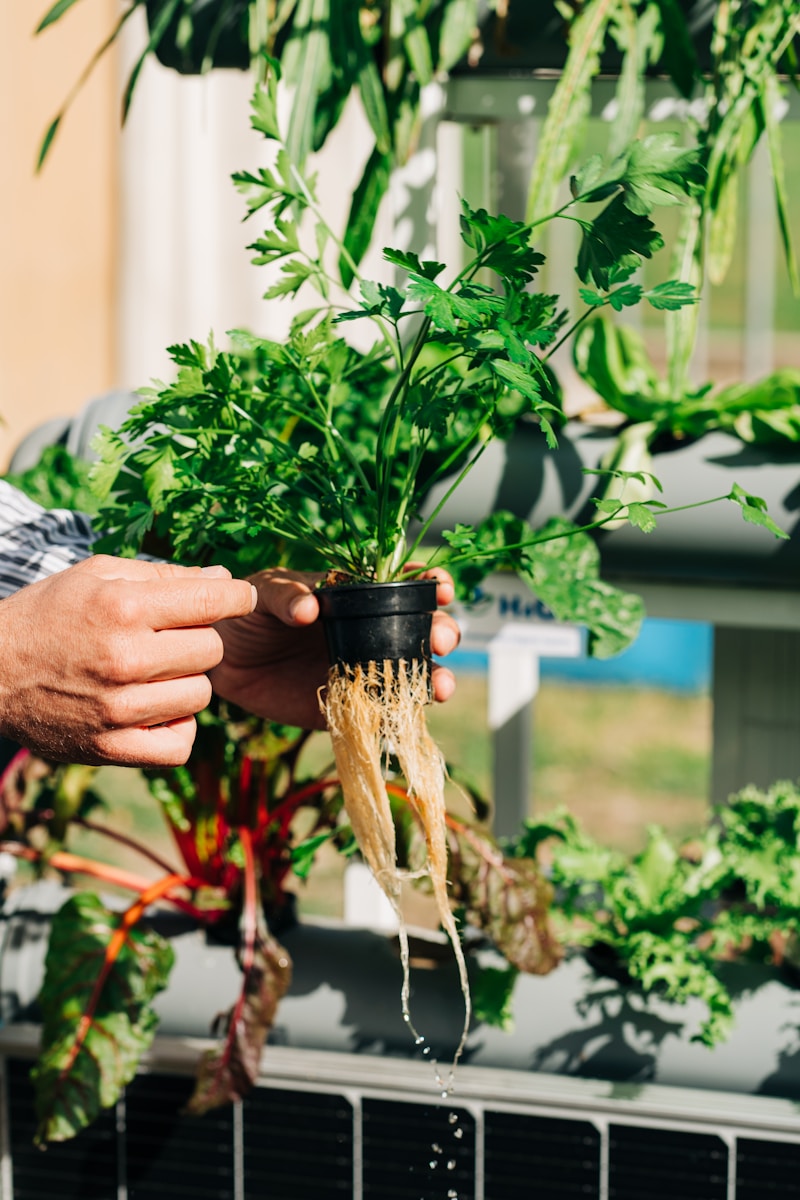
Hydroponics is a method of growing plants in a nutrient-rich water solution without the use of soil. Instead of relying on the soil to deliver nutrients to the plants, hydroponic systems provide all the essential nutrients directly to the plant roots, allowing for faster growth and higher yields. This method of cultivation is gaining popularity due to its efficiency, sustainability, and the ability to grow plants in a controlled environment.
Advantages of Hydroponics
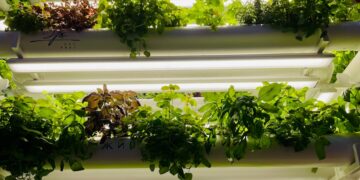
There are several advantages to growing plants using hydroponics. One of the most significant benefits is the ability to grow plants in a smaller space compared to traditional soil-based gardening. Hydroponic systems can be set up indoors, allowing you to grow fresh produce year-round regardless of the weather conditions outside.
Another advantage of hydroponics is the ability to control the nutrients and pH levels of the water solution, ensuring that your plants receive the optimal conditions for growth. This precise control over the growing environment can lead to faster growth, higher yields, and healthier plants.
Additionally, hydroponic systems use less water compared to traditional soil-based gardening, making them more environmentally friendly and sustainable. By recirculating the water and nutrients in the system, you can reduce water waste and minimize the use of fertilizers.
Types of Hydroponic Systems
There are several types of hydroponic systems, each with its own advantages and disadvantages. Some of the most common hydroponic systems include:
1. Deep Water Culture (DWC): In this system, plants are suspended in a nutrient-rich water solution with their roots submerged. An air pump is used to oxygenate the water and prevent root rot.
2. Nutrient Film Technique (NFT): In this system, a thin film of nutrient solution flows over the plant roots, providing them with the essential nutrients they need for growth.
3. Ebb and Flow: Also known as flood and drain, this system involves flooding the plant roots with nutrient solution at regular intervals, allowing them to absorb the nutrients before draining the excess water.
4. Drip System: In this system, a drip line delivers a controlled amount of nutrient solution to the plant roots, ensuring they receive a steady supply of water and nutrients.
5. Aeroponics: In this system, plant roots are suspended in the air and misted with a nutrient-rich water solution, allowing for maximum oxygenation and nutrient absorption.
Getting Started with Hydroponics
If you are new to hydroponics, getting started may seem daunting at first. However, with the right knowledge and resources, you can set up your hydroponic system and start growing plants in no time. Here are some essential tips to help you get started:
1. Choose the Right Plants: Not all plants are well-suited for hydroponic cultivation. Start with easy-to-grow plants such as lettuce, herbs, and tomatoes, which are known to thrive in hydroponic systems.
2. Select a Suitable Location: Consider the space and lighting requirements of your chosen plants when setting up your hydroponic system. Most plants require at least six hours of sunlight per day, so make sure to place your system near a sunny window or invest in grow lights.
3. Invest in Quality Equipment: To ensure the success of your hydroponic garden, invest in high-quality equipment such as nutrient solutions, pH meters, grow lights, and a reliable water pump.
4. Monitor Nutrient Levels: Regularly check the nutrient levels and pH of your water solution to ensure that your plants are receiving the right balance of nutrients for optimal growth.
5. Start Small: If you are new to hydroponics, start with a small system and a few plants to gain experience before expanding your garden.
Common Questions About Hydroponics
As you embark on your hydroponic journey, you may have some questions about this growing method. Here are some common questions and answers to help you navigate the world of hydroponics:
1. Is hydroponics suitable for beginners?
Yes, hydroponics is a great option for beginners as it offers a controlled environment for plant growth and allows for faster growth and higher yields compared to traditional gardening methods.
2. Do I need a green thumb to succeed in hydroponics?
While some gardening experience can be helpful, hydroponics is a relatively straightforward method of cultivation that can be mastered with practice and the right knowledge.
3. Can I grow organic produce using hydroponics?
Yes, you can grow organic produce using hydroponics by using organic nutrient solutions and following organic growing practices.
4. How often do I need to change the nutrient solution in my hydroponic system?
It is recommended to change the nutrient solution in your hydroponic system every 1-2 weeks to prevent the buildup of algae and ensure that your plants are receiving the optimal nutrients.
5. Can I grow fruiting plants such as peppers and cucumbers in a hydroponic system?
Yes, fruiting plants can be grown in hydroponic systems with the right setup and care. Ensure that your plants receive adequate light, nutrients, and support for optimal fruit production.
Conclusion
Hydroponics is a rewarding and sustainable method of growing plants that offers numerous benefits for both beginners and experienced gardeners. By understanding the basics of hydroponics, choosing the right plants, setting up a suitable system, and monitoring nutrient levels, you can achieve success in your hydroponic garden. With the right knowledge and resources, you can enjoy fresh produce year-round and explore the fascinating world of hydroponic gardening. So, roll up your sleeves, get your hands dirty (or not!), and start your hydroponic journey today!