Embracing Simplicity: Thriving Off-Grid with a Minimalist Lifestyle
In a world filled with constant noise, distractions, and material possessions, the idea of embracing simplicity and thriving off-grid with a minimalist lifestyle has become increasingly appealing to many individuals seeking a more meaningful and sustainable way of living.
The Benefits of Off-Grid Living
Living off-grid offers a myriad of benefits, including reduced environmental impact, increased self-sufficiency, and a deeper connection to nature. By disconnecting from the grid, individuals can reduce their carbon footprint, lower their energy consumption, and live in harmony with the natural world. Off-grid living also promotes a sense of independence and self-reliance, as individuals must learn to provide for their own needs and rely on renewable resources such as solar power and rainwater harvesting.
Minimalist Living: Less is More
At the core of off-grid living is the concept of minimalism, which emphasizes the idea that less is more. By decluttering their lives and focusing on the essentials, individuals can simplify their surroundings, reduce stress, and increase their overall well-being. Minimalist living encourages individuals to prioritize experiences over material possessions, cultivate gratitude for the things they have, and live in alignment with their values and beliefs.
Building a Sustainable Off-Grid Home
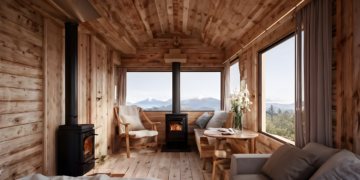
When it comes to embracing simplicity and thriving off-grid, building a sustainable home is key. Sustainable off-grid homes are designed to minimize energy consumption, harness renewable resources, and reduce waste. Features such as passive solar design, energy-efficient appliances, and composting toilets can help individuals reduce their environmental impact and live more sustainably. By choosing eco-friendly materials and incorporating green building techniques, individuals can create a home that is both beautiful and environmentally friendly.
Living Off-Grid: Common Questions Answered
As more individuals consider embracing simplicity and living off-grid, they may have questions about the practicalities and challenges of this lifestyle. Here are some common questions answered:
1. How do you generate electricity off-grid?
Off-grid homes typically generate electricity through renewable sources such as solar panels, wind turbines, or hydroelectric systems. By harnessing the power of the sun, wind, or water, individuals can generate their own electricity and reduce their reliance on the grid.
2. How do you access water off-grid?
Off-grid homes often rely on rainwater harvesting, well water, or other sources of natural water. By collecting and treating rainwater, individuals can ensure a sustainable and reliable source of water for their household needs.
3. How do you handle waste off-grid?
Off-grid living requires individuals to adopt sustainable waste management practices, such as composting, recycling, and minimizing waste generation. By reducing their waste output and recycling materials, individuals can live more sustainably and minimize their impact on the environment.
Embracing Simplicity: Tips for Thriving Off-Grid
If you are considering embracing simplicity and thriving off-grid with a minimalist lifestyle, here are some tips to help you get started:
1. Start small: Begin by decluttering your home and simplifying your possessions. Focus on what truly brings you joy and let go of the rest.
2. Invest in renewable energy: Consider installing solar panels or a wind turbine to generate your own electricity and reduce your reliance on the grid.
3. Practice self-sufficiency: Learn to grow your own food, collect rainwater, and provide for your own needs to increase your self-sufficiency.
4. Connect with nature: Spend time outdoors, immerse yourself in the natural world, and cultivate a deeper connection to the earth.
5. Prioritize experiences over possessions: Focus on creating meaningful experiences and memories rather than accumulating material possessions.
By embracing simplicity and thriving off-grid with a minimalist lifestyle, individuals can cultivate a deeper sense of fulfillment, connection, and purpose in their lives. Through sustainable living practices, self-sufficiency, and a focus on the essentials, individuals can create a more meaningful and sustainable way of living that benefits both themselves and the planet.