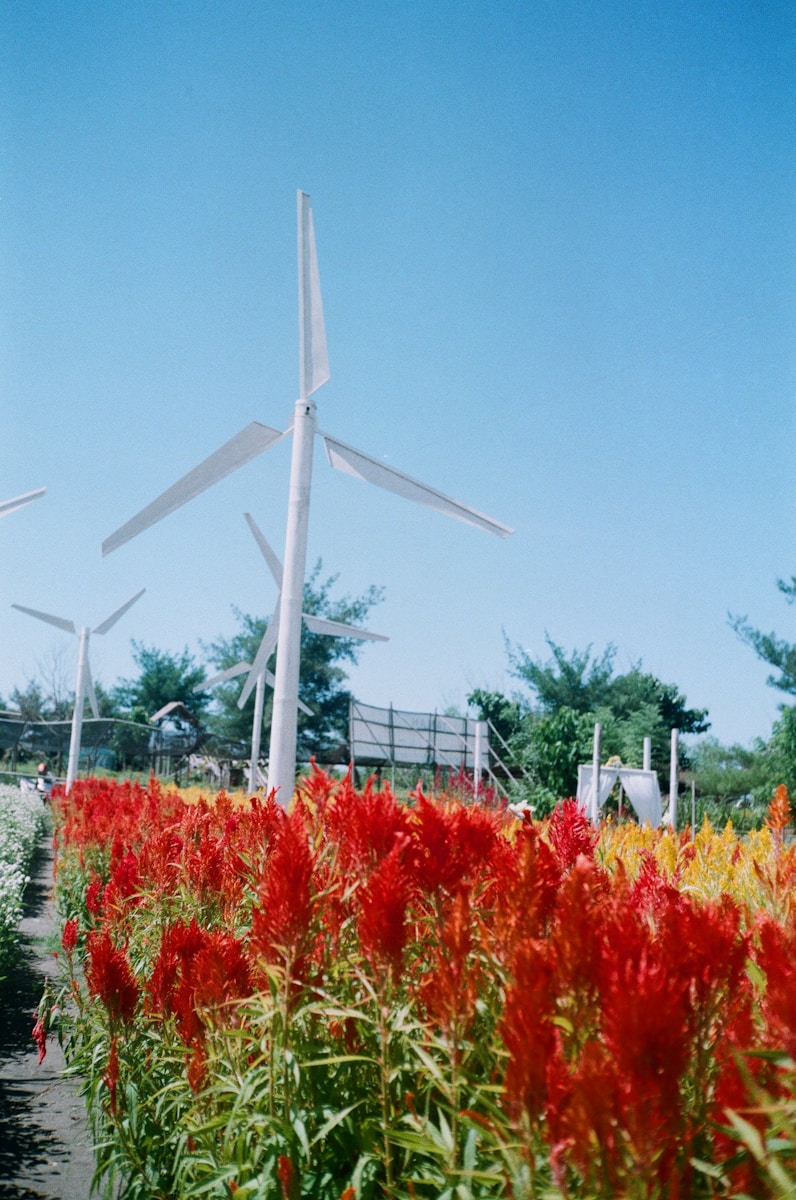
Powering Your Home: The Ultimate Guide to Installing Wind Turbines for Renewable Energy
Renewable energy sources are becoming increasingly popular as people seek to reduce their carbon footprint and lower their energy bills. One of the most efficient and cost-effective ways to generate renewable energy for your home is by installing a wind turbine. In this comprehensive guide, we will walk you through everything you need to know about installing wind turbines for renewable energy.
What is a Wind Turbine?
A wind turbine is a device that converts the kinetic energy from the wind into mechanical power, which can then be used to generate electricity. Wind turbines consist of a rotor, blades, a generator, a tower, and other components that work together to capture the wind’s energy and convert it into usable power.
Benefits of Installing Wind Turbines
There are numerous benefits to installing wind turbines for renewable energy in your home. Some of the key advantages include:
- Reduced energy bills
- Decreased reliance on non-renewable energy sources
- Lower carbon footprint
- Potential to earn money through net metering or selling excess energy back to the grid
- Increased energy independence
Types of Wind Turbines
There are two main types of wind turbines: horizontal-axis wind turbines (HAWTs) and vertical-axis wind turbines (VAWTs). HAWTs are the most common type of wind turbine and are typically used for large-scale wind farms. VAWTs, on the other hand, are less common but can be more efficient in certain situations, such as in urban environments where wind direction is variable.
Horizontal-Axis Wind Turbines (HAWTs)
HAWTs have a horizontal rotor shaft and blades that spin around a horizontal axis. These turbines are typically mounted on tall towers to capture the stronger and more consistent winds found at higher altitudes. HAWTs are more efficient at converting wind energy into electricity and are the preferred choice for most residential wind turbine installations.
Vertical-Axis Wind Turbines (VAWTs)
VAWTs have a vertical rotor shaft and blades that spin around a vertical axis. These turbines are designed to be more compact and can operate in a wider range of wind conditions compared to HAWTs. VAWTs are also quieter and less visually obtrusive, making them a good option for residential areas where aesthetics are a concern.
Factors to Consider Before Installing a Wind Turbine
Before installing a wind turbine for renewable energy in your home, there are several factors to consider to ensure the success of your project. Some key considerations include:
- Wind resource: Assess the wind speed and direction at your location to determine if it is suitable for a wind turbine.
- Permitting and regulations: Check with your local government for any permits or regulations that may apply to installing a wind turbine on your property.
- Cost: Consider the upfront cost of purchasing and installing a wind turbine, as well as ongoing maintenance and repair expenses.
- Space: Determine if you have enough space on your property to accommodate a wind turbine and comply with setback requirements.
- Neighborhood considerations: Consult with your neighbors to address any concerns they may have about noise, visual impact, or other issues related to installing a wind turbine.
Steps to Installing a Wind Turbine
Once you have considered all the necessary factors and decided to move forward with installing a wind turbine for renewable energy in your home, follow these steps to ensure a successful installation:
Step 1: Choose the Right Location
Identify a location on your property that has a consistent and strong wind resource. Avoid placing the turbine in areas with obstructions such as trees, buildings, or hills that can disrupt the wind flow.
Step 2: Select the Right Wind Turbine
Choose a wind turbine that is appropriate for your location and energy needs. Consider factors such as rotor diameter, tower height, and generator capacity when selecting a turbine.
Step 3: Install the Tower
Construct a sturdy tower to support the wind turbine at the optimal height for capturing the wind. Ensure that the tower is securely anchored to the ground to prevent it from toppling over in strong winds.
Step 4: Install the Blades and Rotor
Attach the blades and rotor to the turbine hub according to the manufacturer’s instructions. Make sure that the blades are properly aligned and balanced to maximize energy production and minimize wear and tear on the turbine.
Step 5: Connect the Generator
Connect the generator to the rotor shaft and electrical system of your home. Follow the wiring diagram provided by the manufacturer to ensure proper installation and connection to your home’s electrical grid.
Step 6: Test the System
After completing the installation, test the wind turbine system to ensure that it is functioning properly. Monitor energy production and performance to identify any issues that may need to be addressed.
Maintenance and Care of Wind Turbines
Proper maintenance and care are essential for maximizing the efficiency and longevity of your wind turbine system. Some key maintenance tasks to keep in mind include:
- Regularly inspecting the turbine blades for damage or wear
- Checking and lubricating moving parts to prevent friction and wear
- Cleaning the turbine and tower to remove dirt and debris that can obstruct airflow
- Monitoring energy production and performance to detect any issues early on
- Following the manufacturer’s maintenance guidelines and recommendations
Conclusion
Installing a wind turbine for renewable energy in your home is a great way to reduce your carbon footprint, lower your energy bills, and increase your energy independence. By following the steps outlined in this guide and taking proper care of your wind turbine system, you can enjoy the many benefits of generating clean and sustainable energy for your home.
Remember to consider all the necessary factors before installing a wind turbine, choose the right location and turbine for your needs, and perform regular maintenance to ensure the continued success of your renewable energy project. With the right knowledge and preparation, you can harness the power of the wind to power your home for years to come.