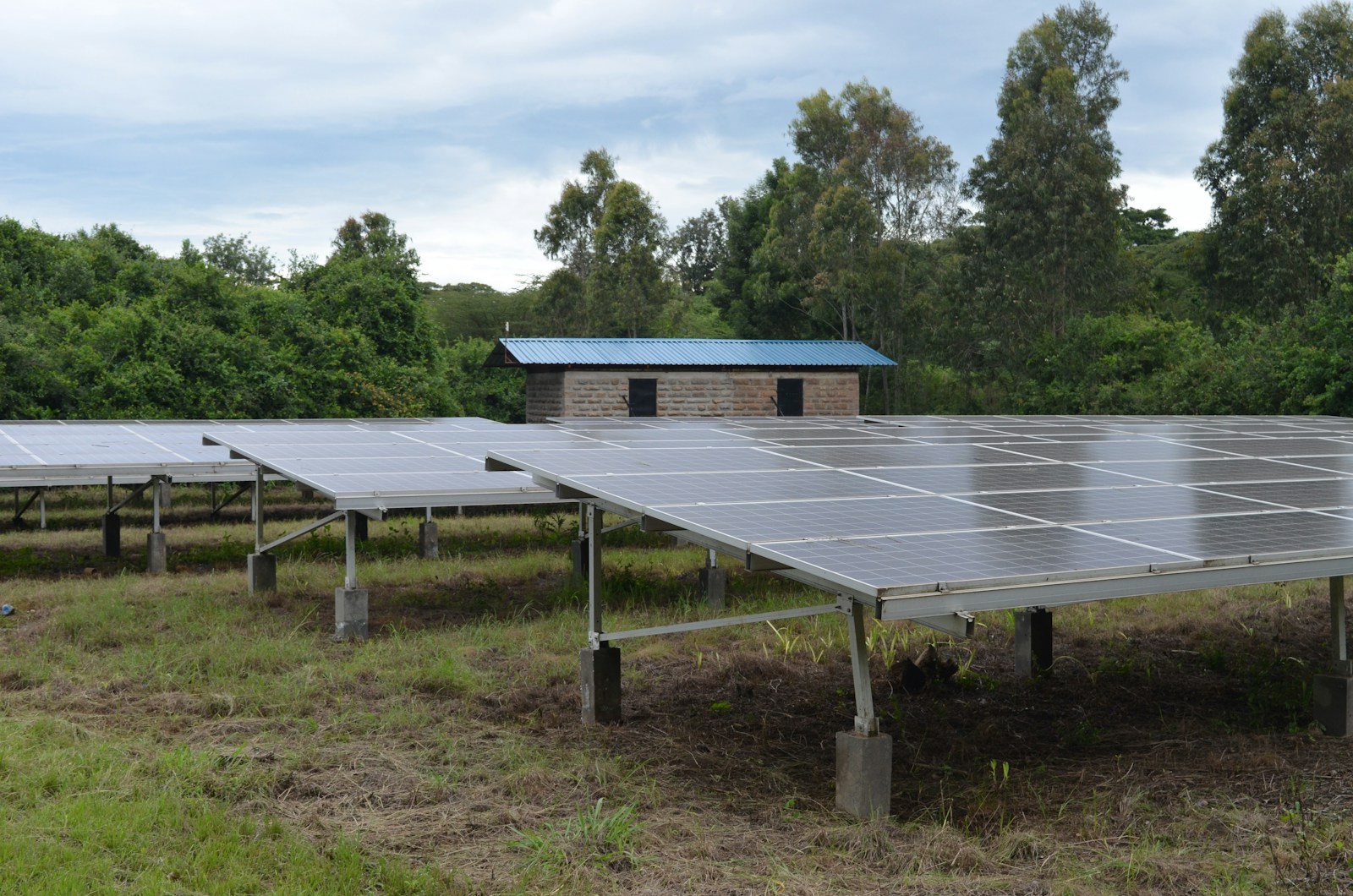
Empowering Small Communities: Microgrid Solutions for Sustainable Energy Independence
Small communities often face challenges in accessing reliable and affordable energy sources. Traditional energy grids may not always reach remote areas, leaving residents with limited options for power. However, with the rise of microgrid solutions, small communities now have the opportunity to achieve sustainable energy independence. Microgrids offer a decentralized approach to energy generation and distribution, allowing communities to produce their own power and reduce their reliance on centralized utilities. In this article, we will explore the benefits of microgrid solutions for small communities and how they can help pave the way towards a more sustainable future.
What are Microgrids?
Microgrids are small-scale energy systems that can operate independently or in conjunction with the main power grid. They consist of a combination of energy sources, such as solar panels, wind turbines, and batteries, that work together to generate and store electricity. Microgrids are designed to provide reliable power to a specific area, such as a neighborhood, campus, or military base, and can operate autonomously in case of grid outages.
Benefits of Microgrid Solutions
There are several key benefits to implementing microgrid solutions in small communities:
1. Energy Independence
Microgrids allow communities to generate their own power, reducing their dependence on centralized utilities. This can help insulate communities from fluctuations in energy prices and grid disruptions, providing a more stable and secure source of electricity.
2. Resilience and Reliability
Microgrids are designed to be resilient in the face of natural disasters and other emergencies. By incorporating renewable energy sources and energy storage systems, microgrids can continue to operate even when the main grid is down, ensuring that critical services remain powered.
3. Cost Savings
Microgrids can help small communities save money on their energy bills by reducing their reliance on expensive grid power. By generating their own electricity through renewable sources, communities can lower their energy costs and potentially even sell excess power back to the grid.
Implementing Microgrid Solutions
There are several steps involved in implementing a microgrid solution for a small community:
1. Assessing Energy Needs
The first step in implementing a microgrid is to assess the energy needs of the community. This includes determining the peak power demand, identifying potential energy sources, and evaluating the existing infrastructure.
2. Designing the Microgrid
Once the energy needs have been assessed, the next step is to design the microgrid system. This involves determining the optimal mix of energy sources, such as solar panels, wind turbines, and batteries, as well as the necessary control systems and distribution infrastructure.
3. Installation and Commissioning
After the design phase is complete, the microgrid system can be installed and commissioned. This includes installing the energy sources, connecting them to the distribution network, and testing the system to ensure it is operating correctly.
4. Operation and Maintenance
Once the microgrid is up and running, it requires ongoing operation and maintenance to ensure optimal performance. This includes monitoring energy production, managing energy storage, and conducting regular maintenance checks to prevent downtime.
Case Studies
There are several successful examples of microgrid solutions being implemented in small communities around the world:
1. Rock Port, Missouri
Rock Port, Missouri, became the first city in the United States to be powered entirely by wind energy in 2008. The city’s microgrid system consists of four wind turbines that generate more power than the city consumes, allowing Rock Port to sell excess energy back to the grid.
2. Kodiak Island, Alaska
Kodiak Island, Alaska, operates a microgrid system that integrates hydroelectric, wind, and solar power to provide reliable energy to the island’s residents. The microgrid has reduced the island’s reliance on expensive diesel fuel and improved energy security in the remote community.
Conclusion
Microgrid solutions offer small communities the opportunity to achieve sustainable energy independence and reduce their reliance on centralized utilities. By generating their own power through renewable sources, communities can save money, increase resilience, and contribute to a more sustainable future. As the technology continues to evolve and costs come down, microgrids are becoming an increasingly viable option for small communities looking to take control of their energy future.